Leave Your Mark on Future
As REC Enerji, we build turnkey solar power plants by managing design, procurement, and installation processes from a single source.
OUR SERVICES
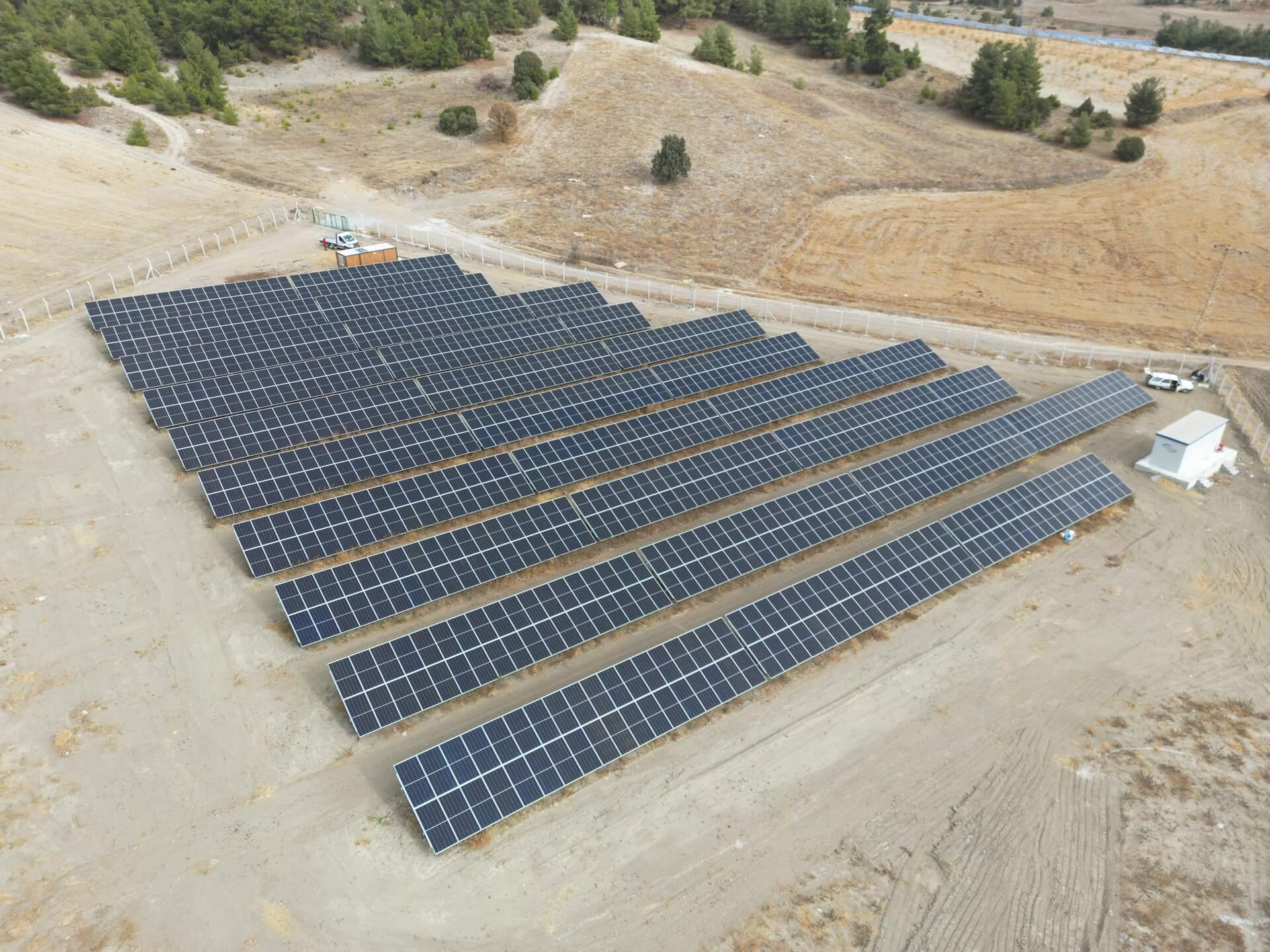
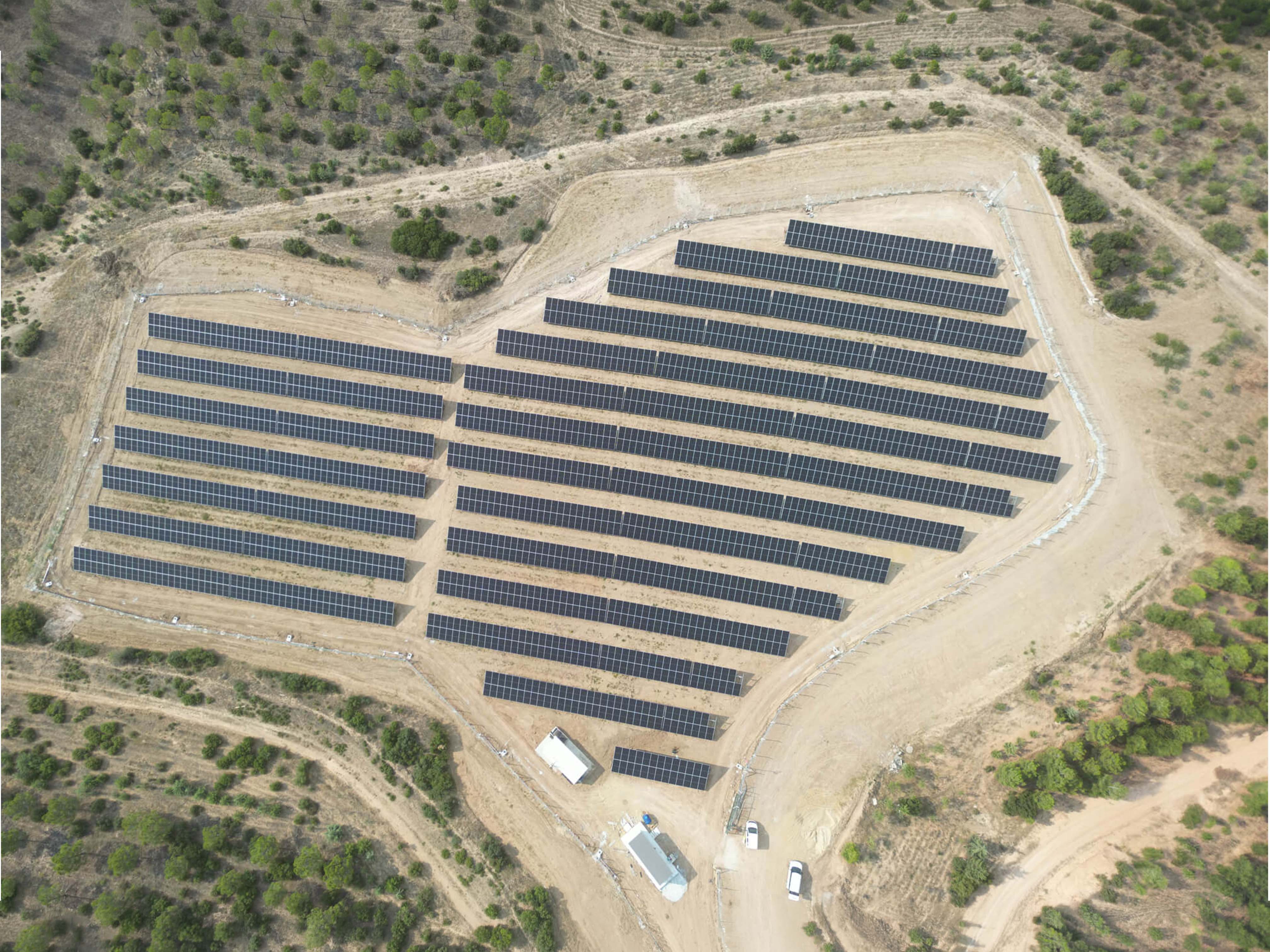
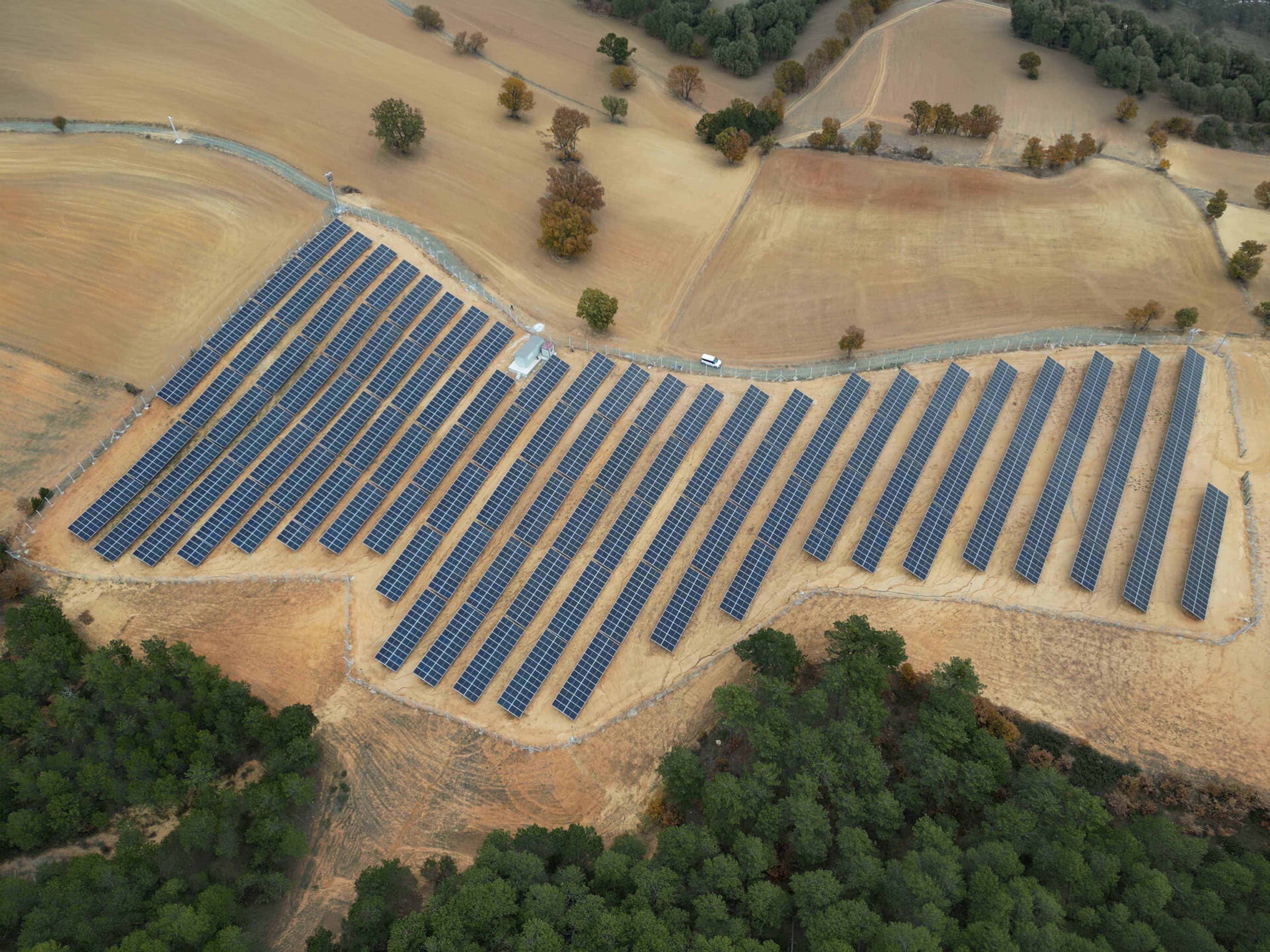
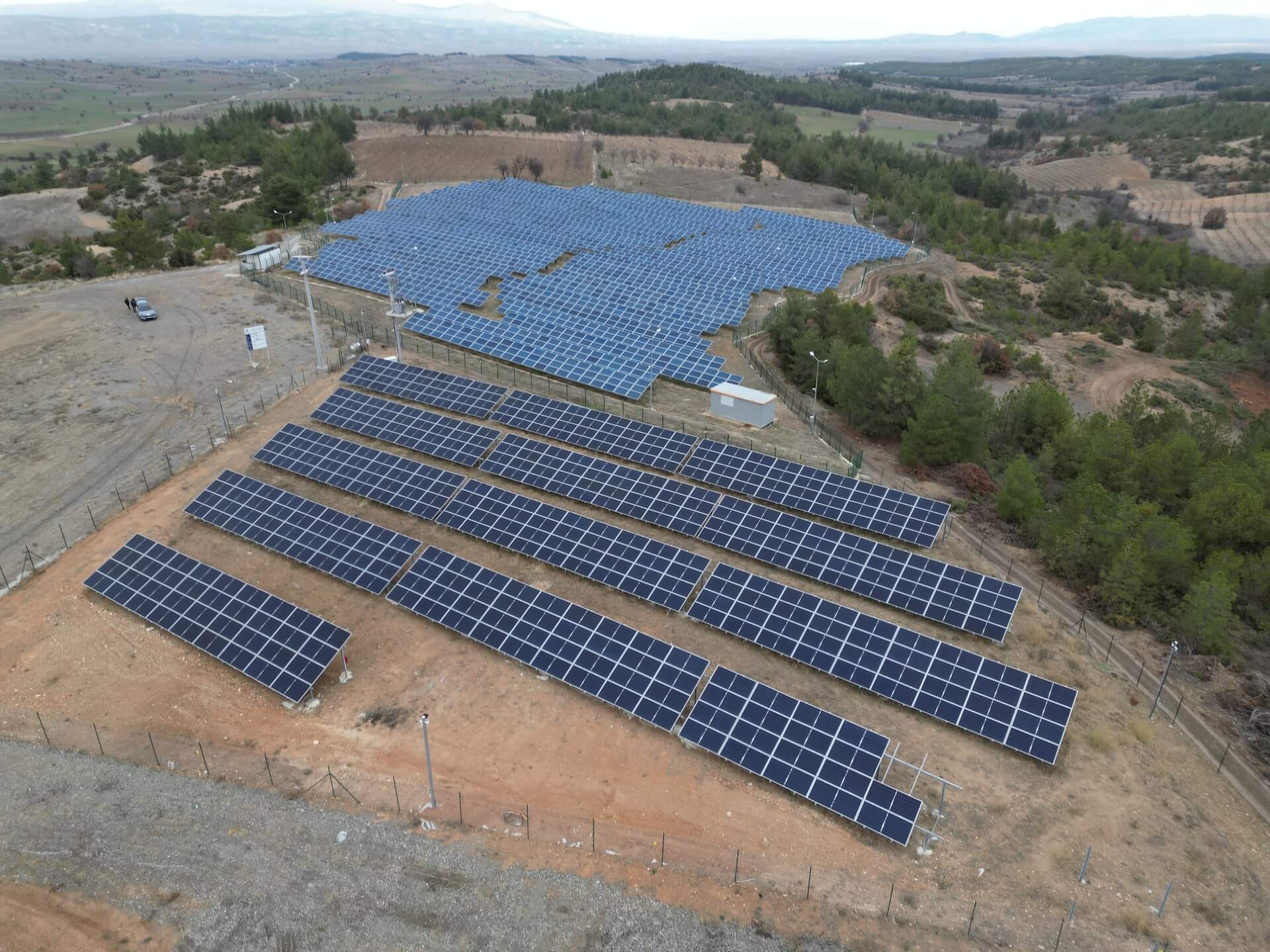
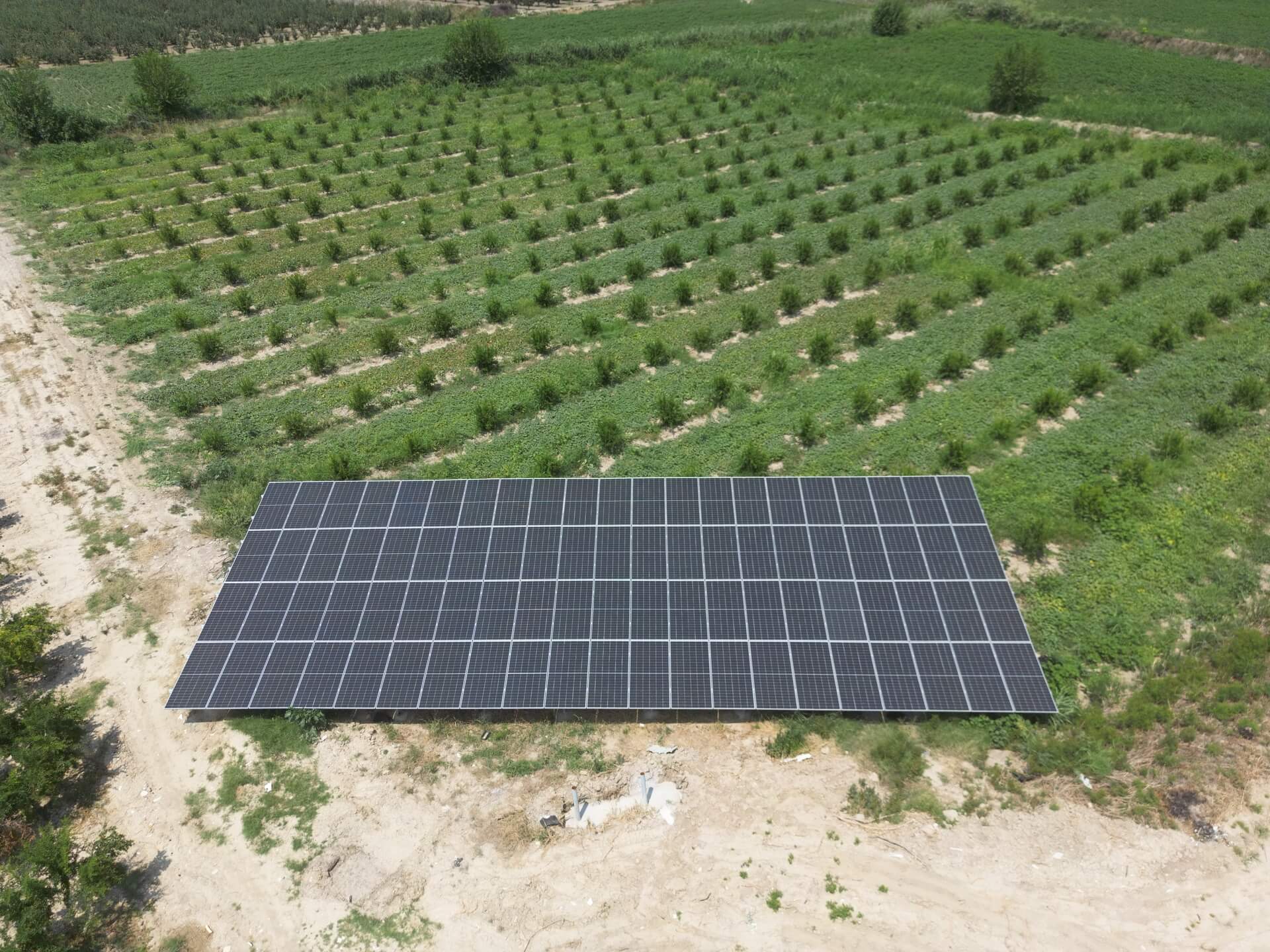
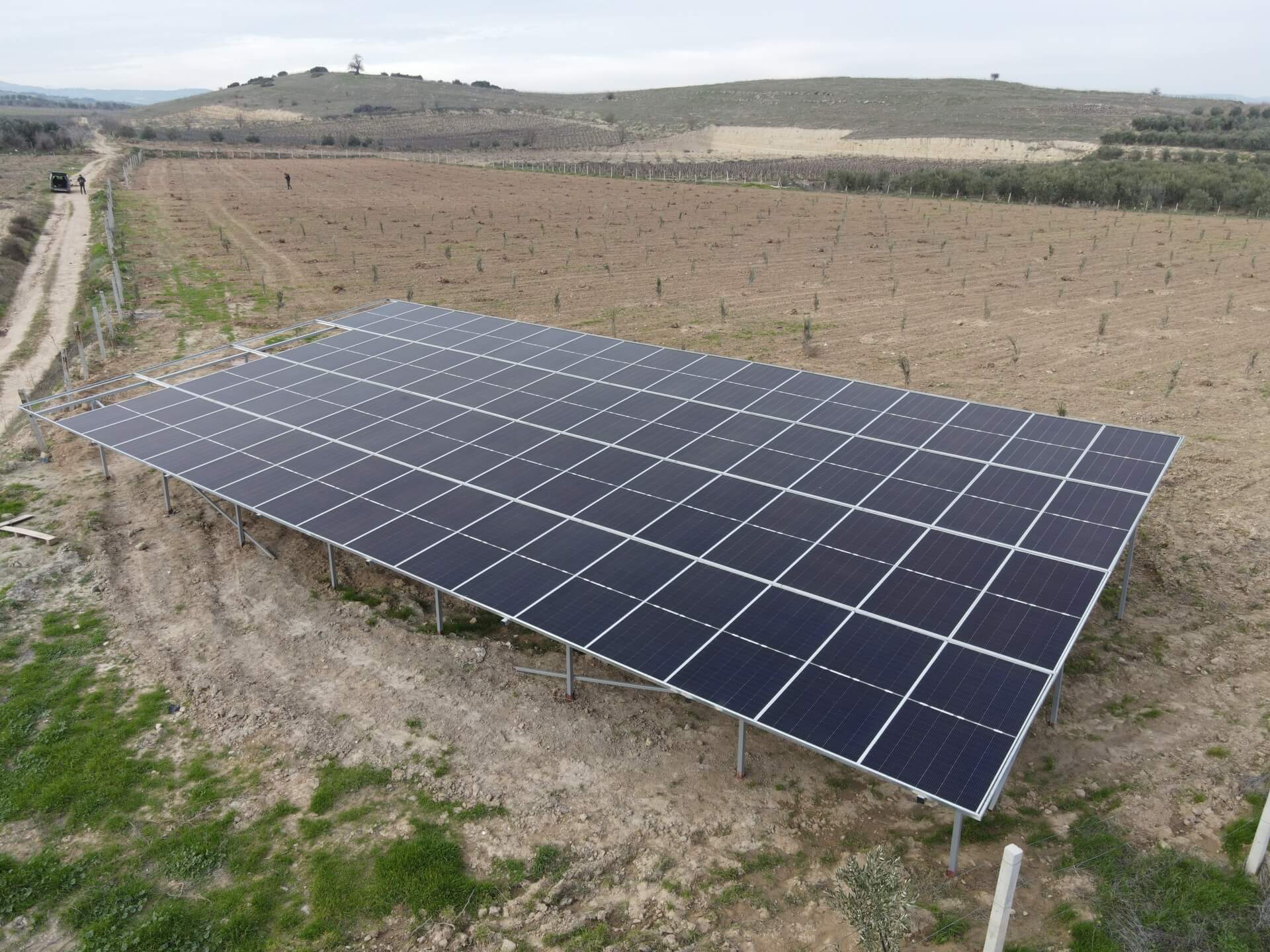
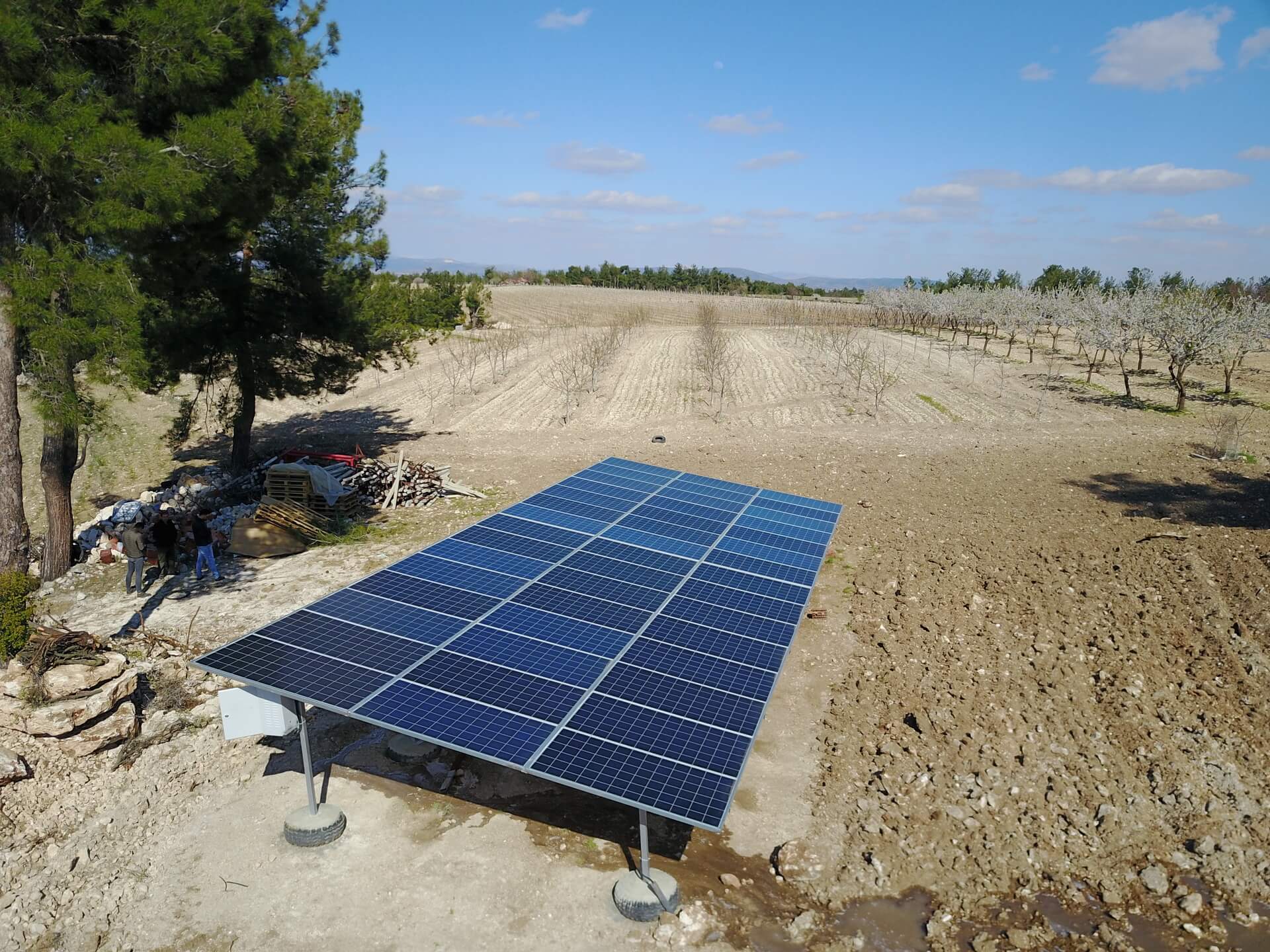
Ground-Mounted SPP
We carry out turnkey ground-mounted solar power plant installations for large-scale investors seeking financial advantages in their financial statements.
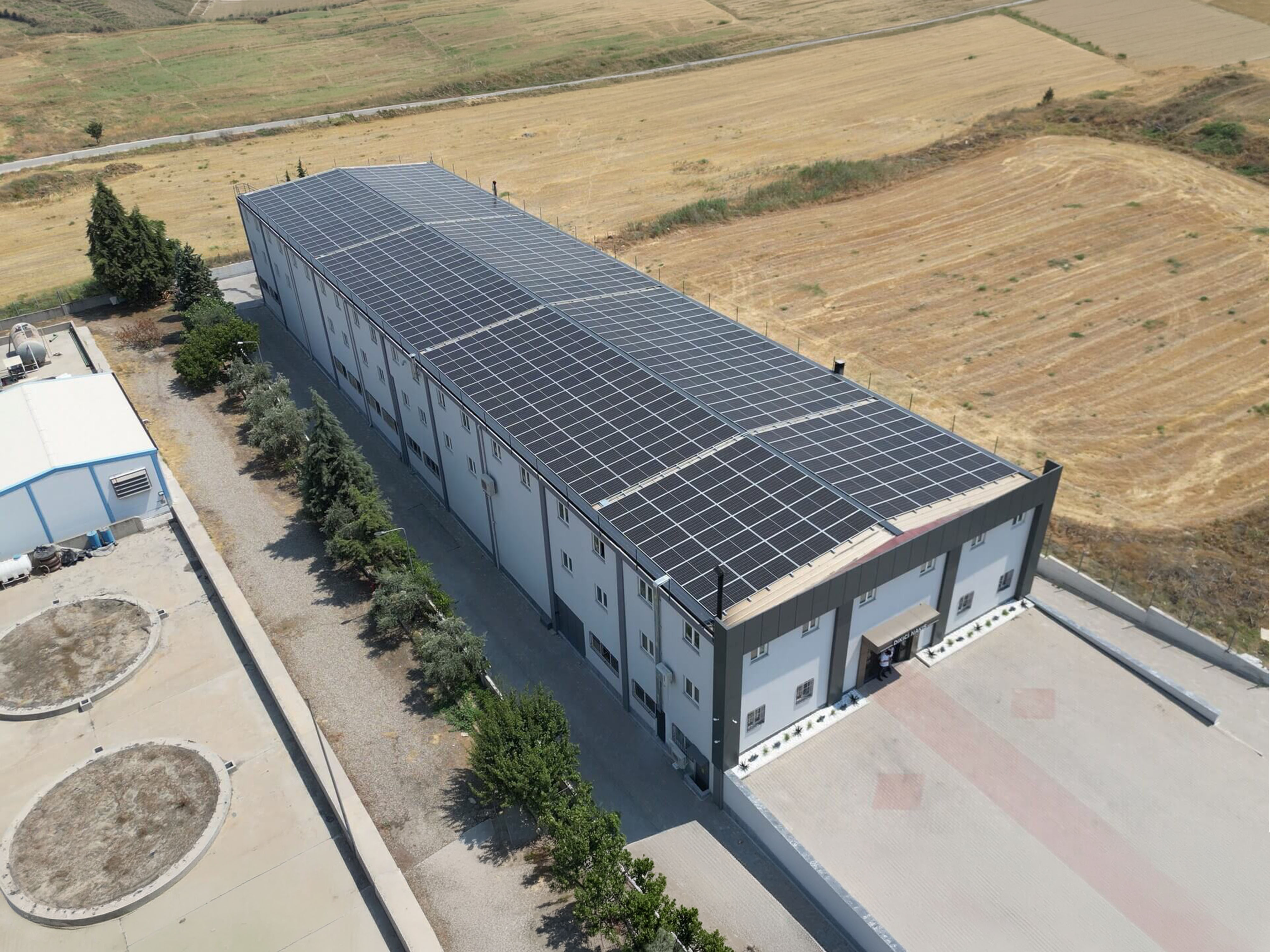
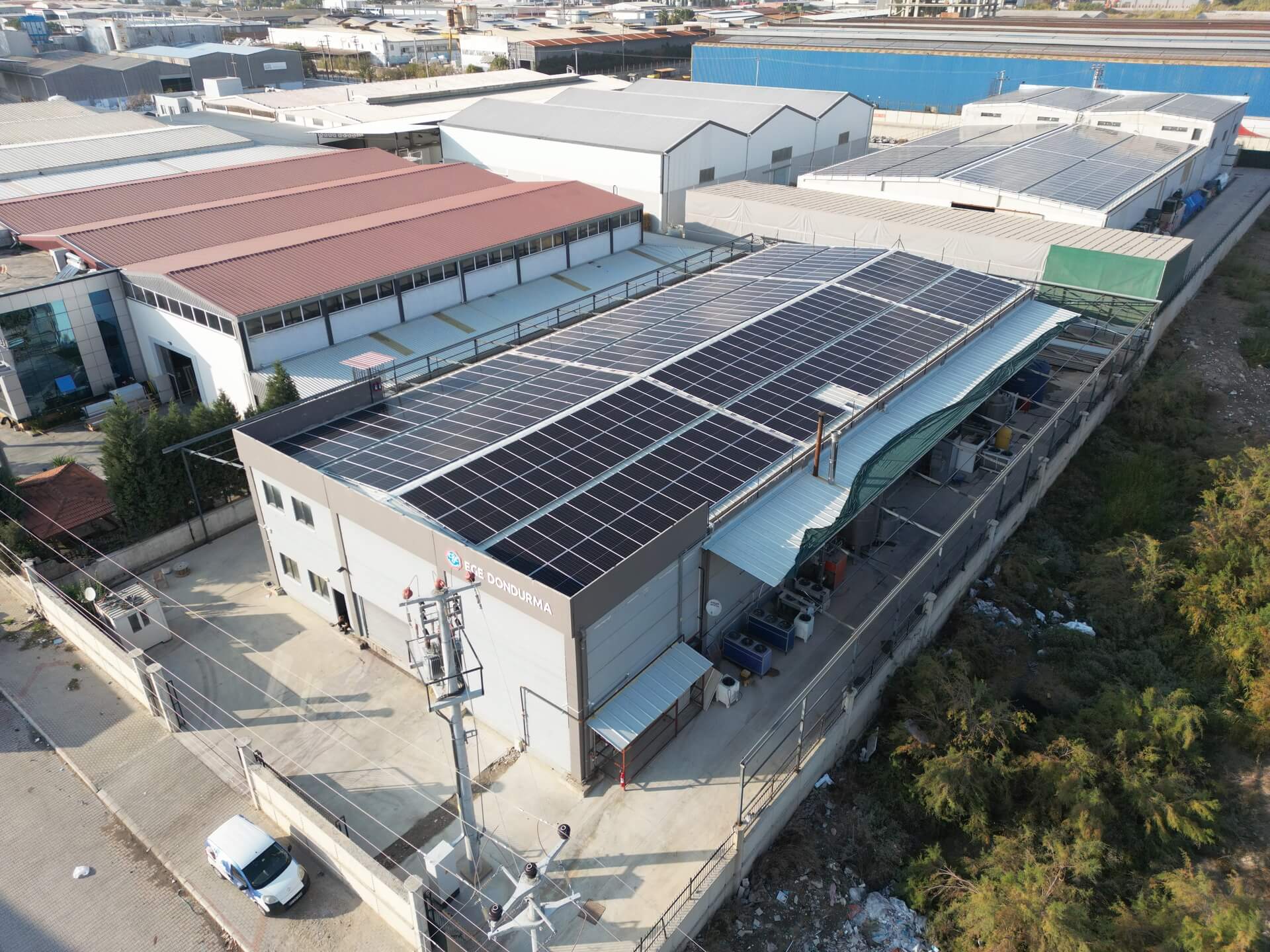
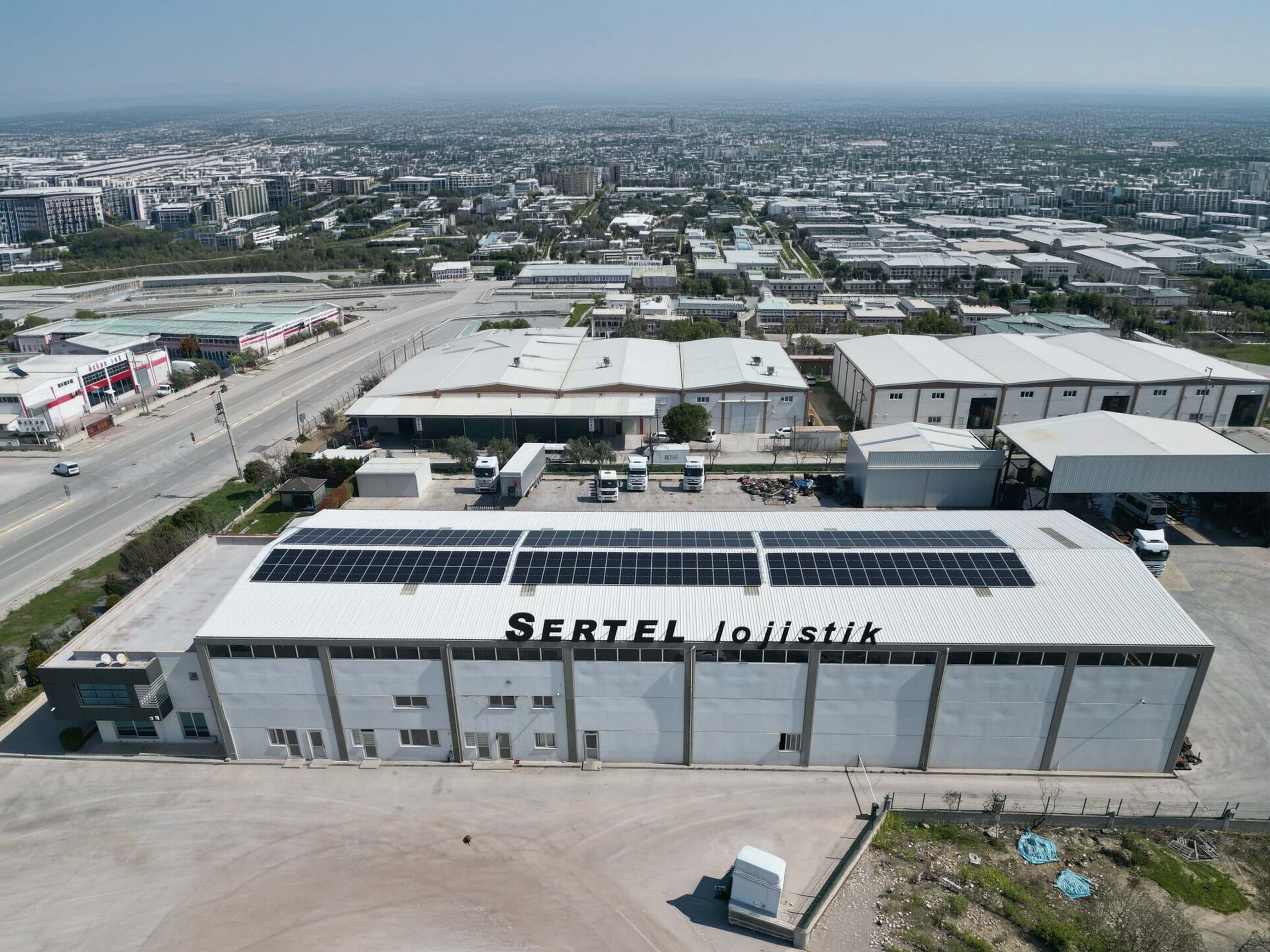
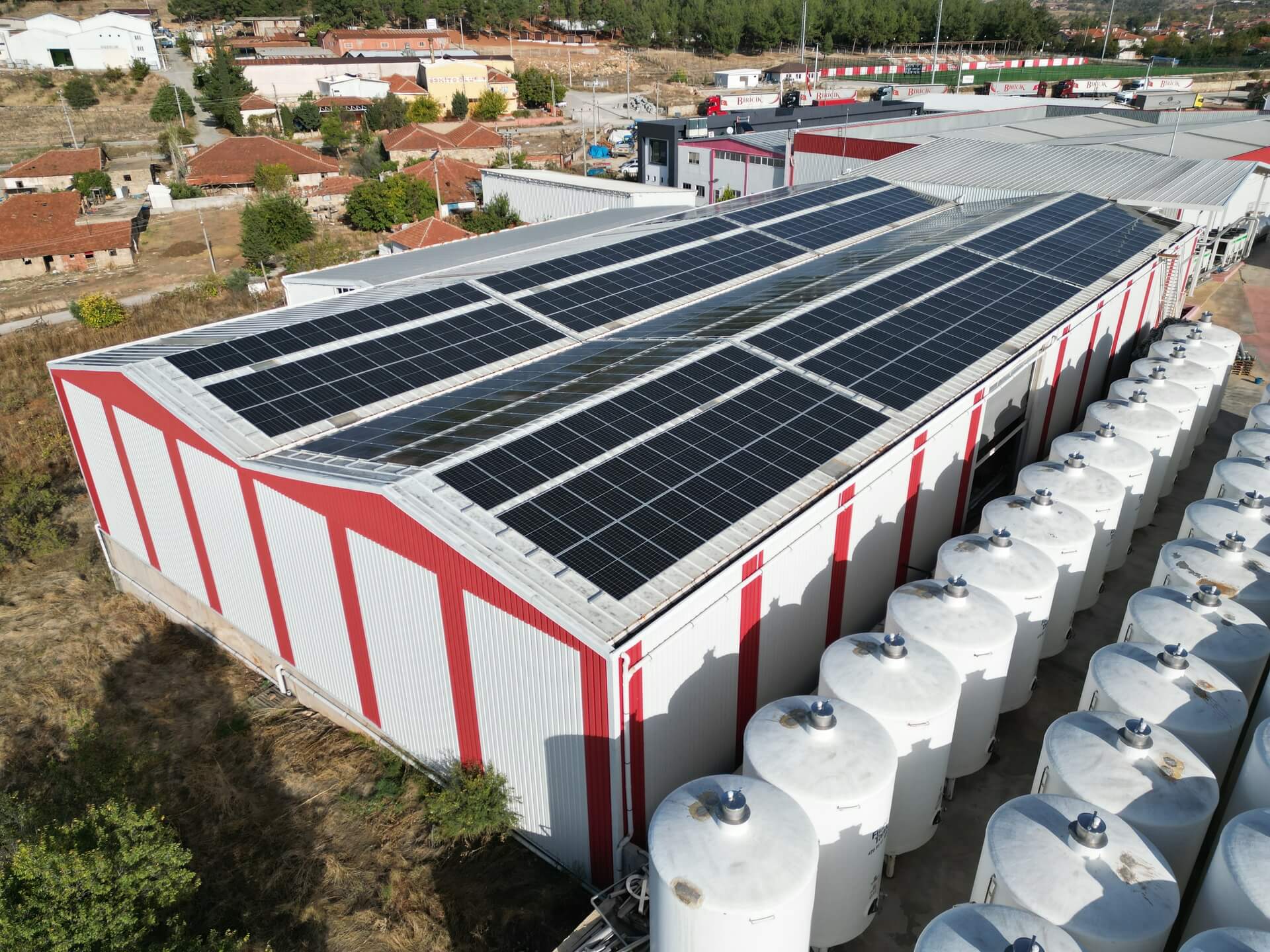
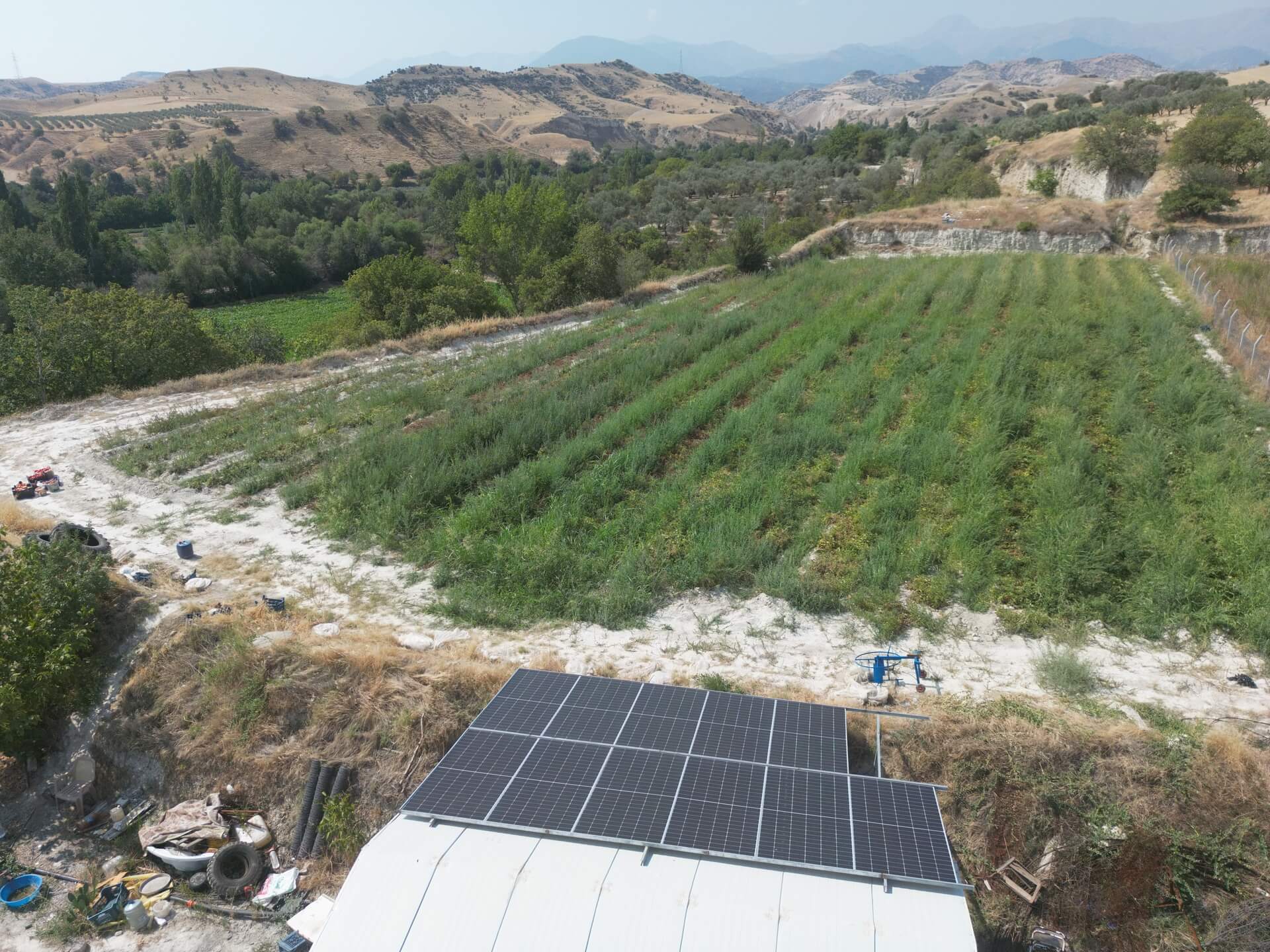
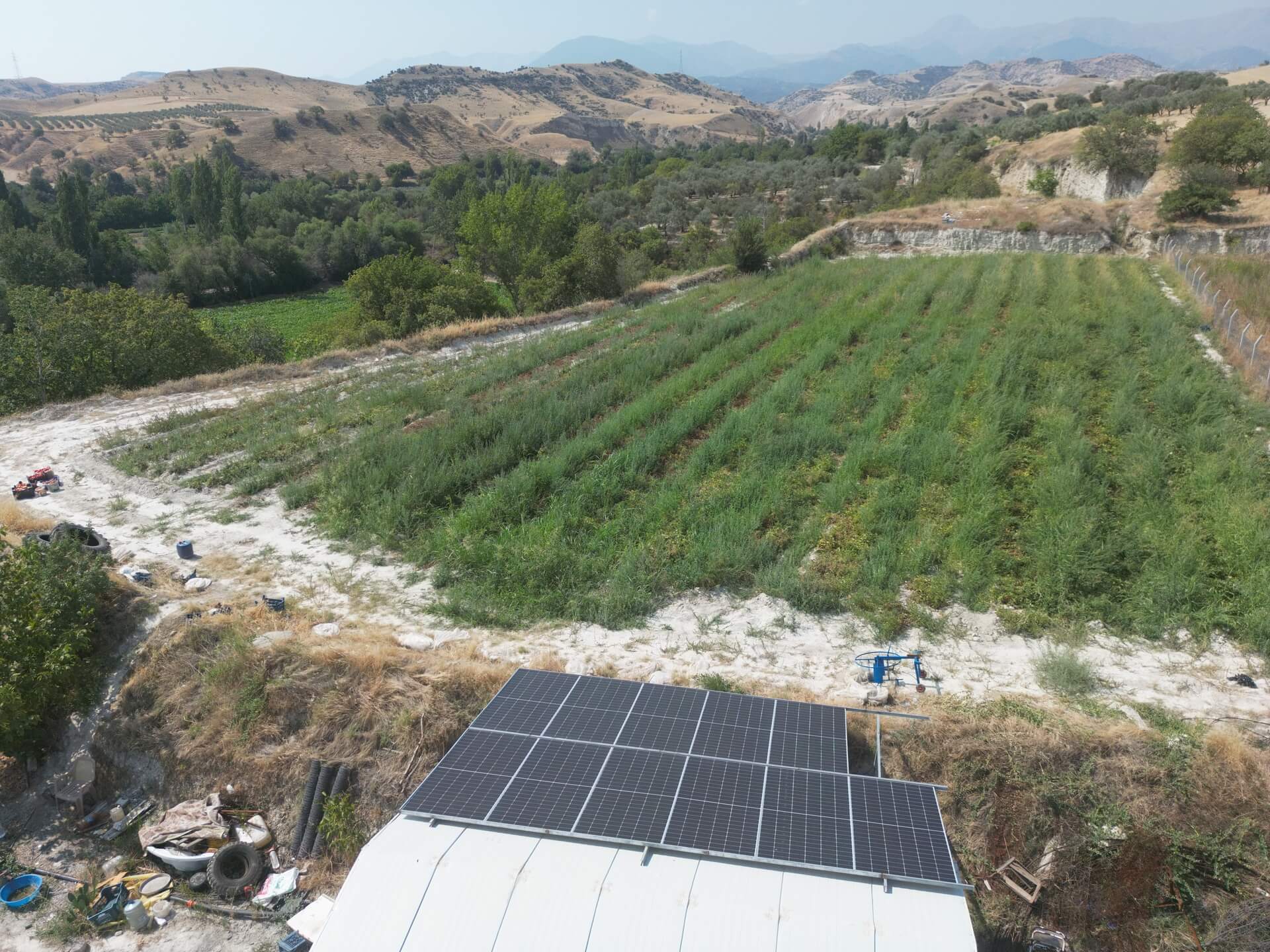
Rooftop SPP
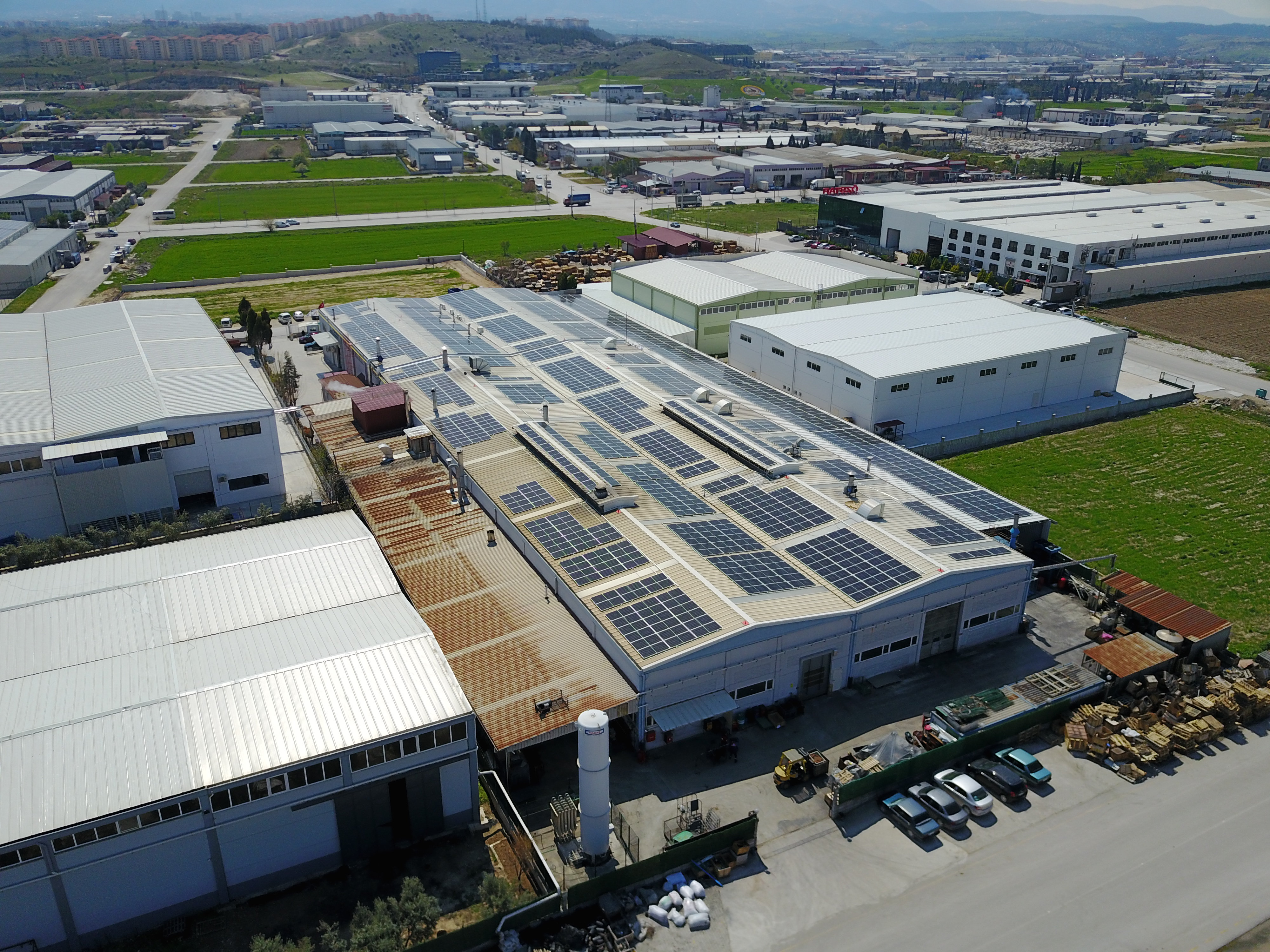
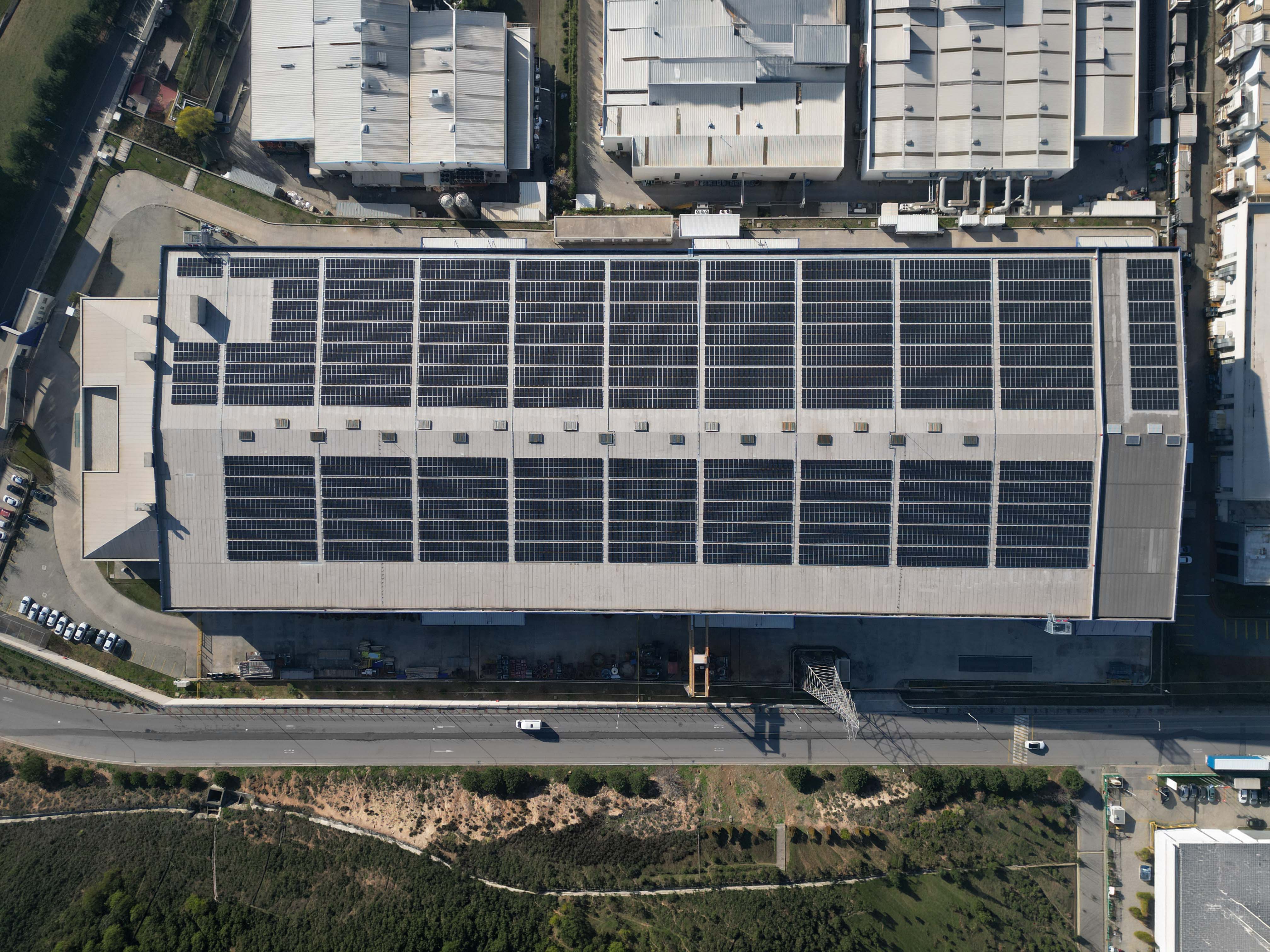
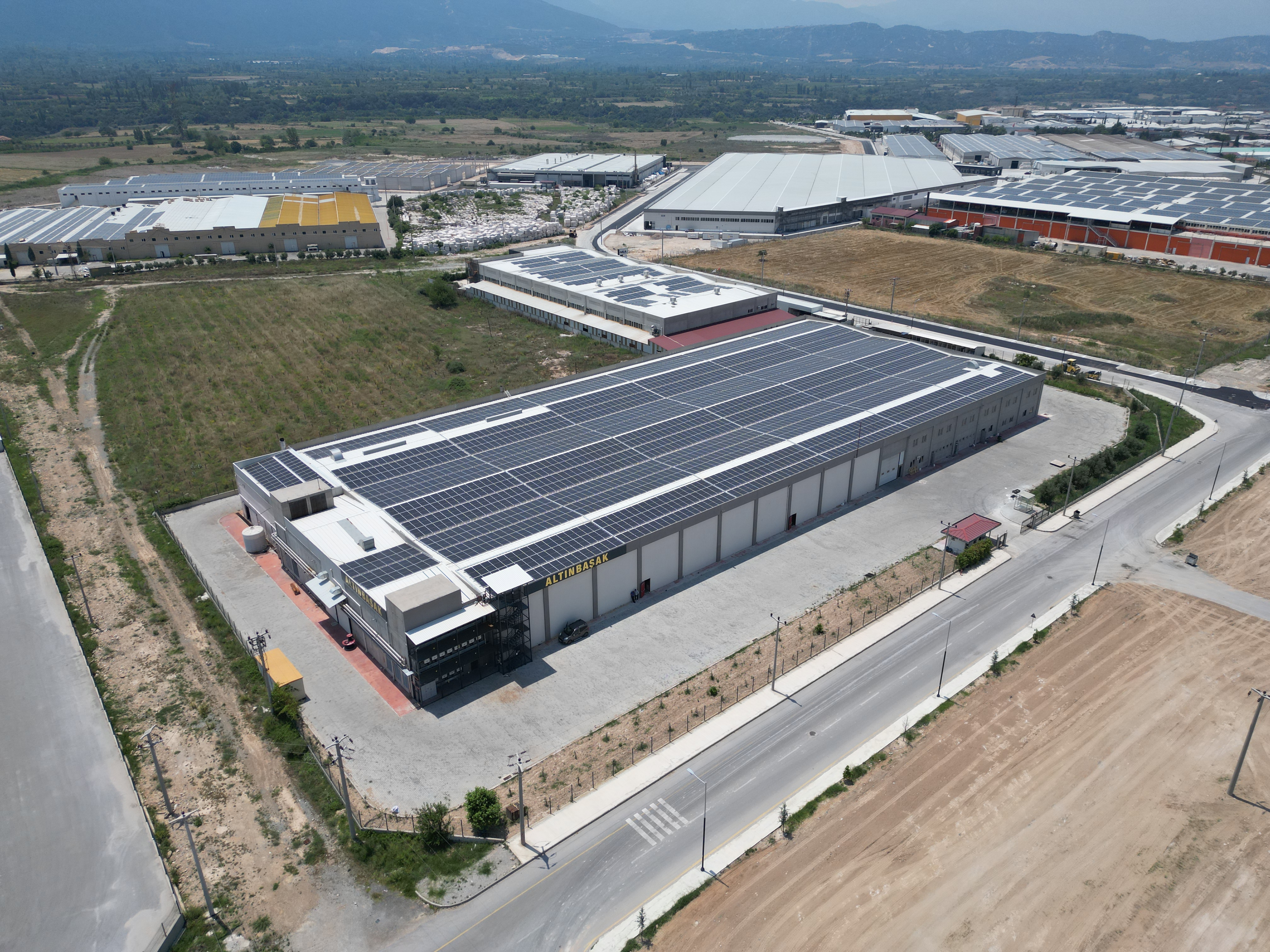
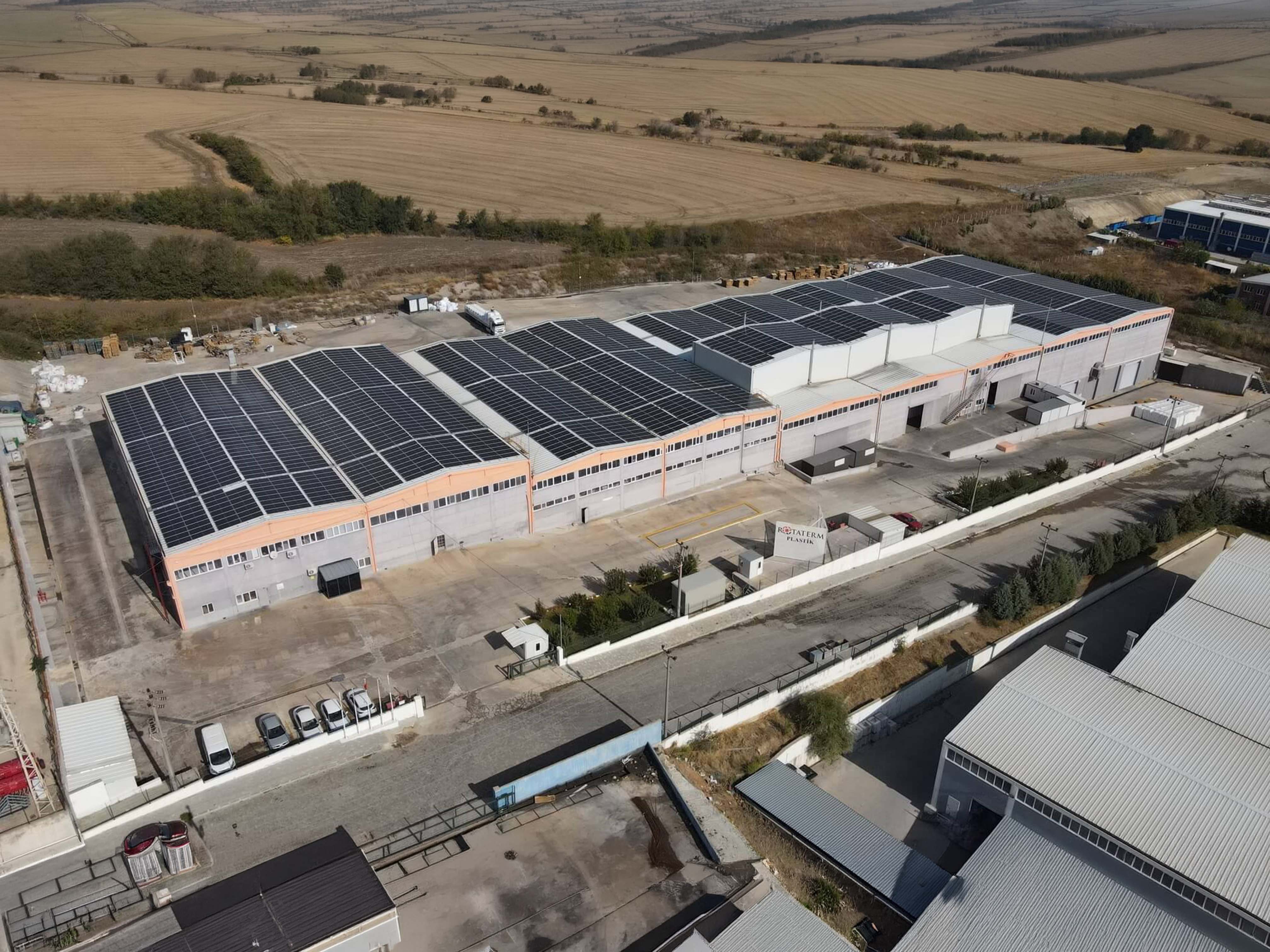
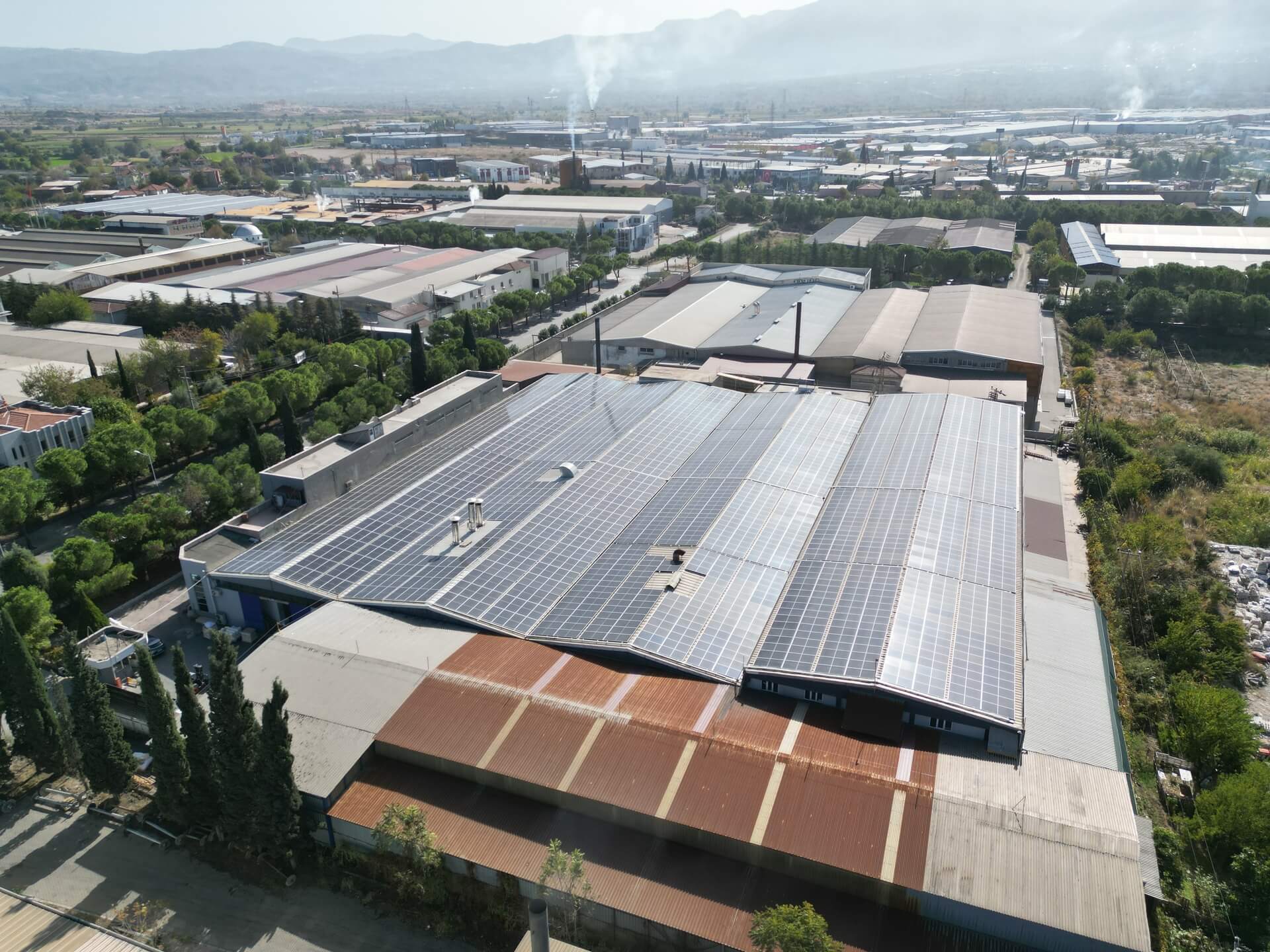
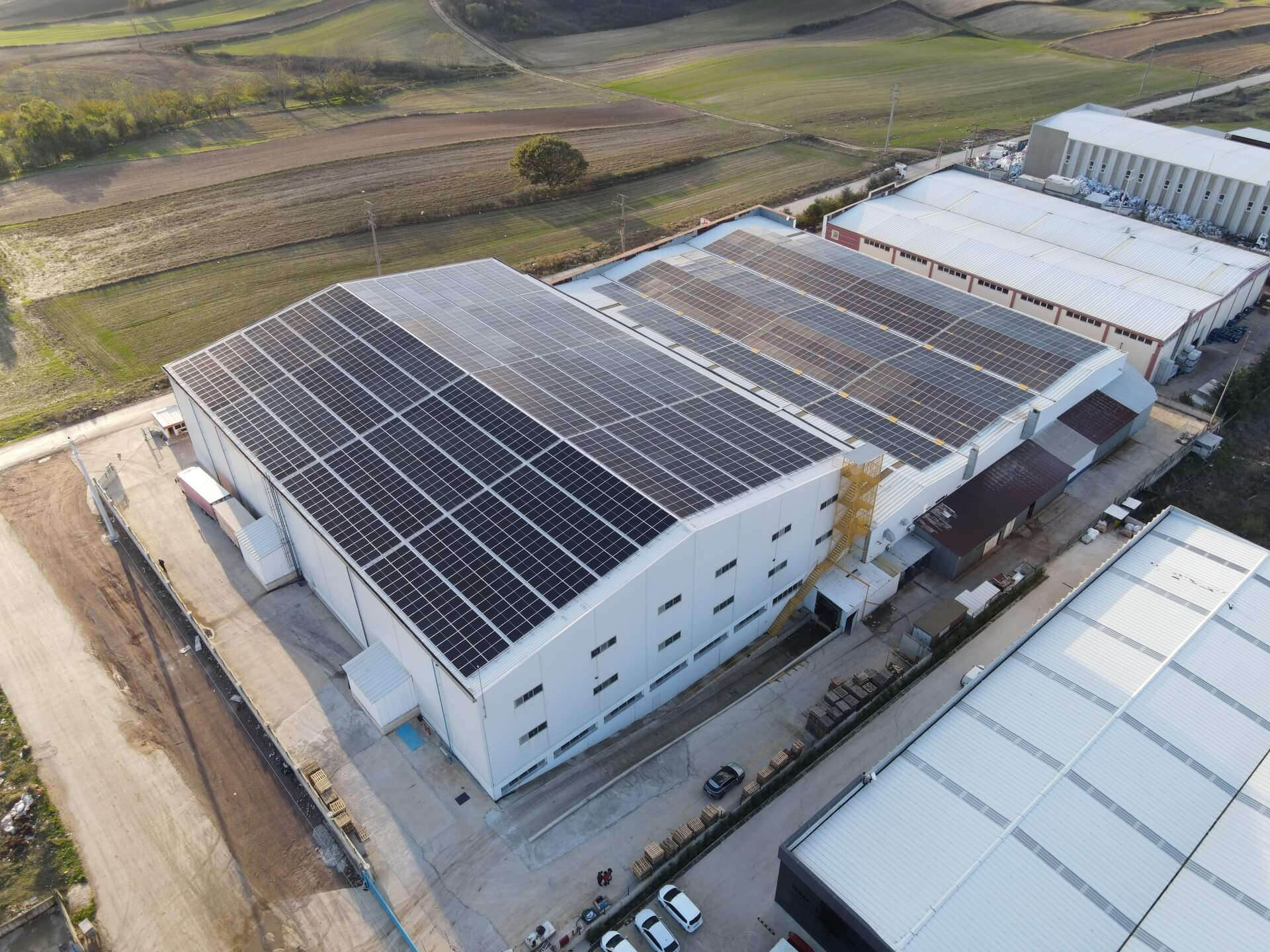
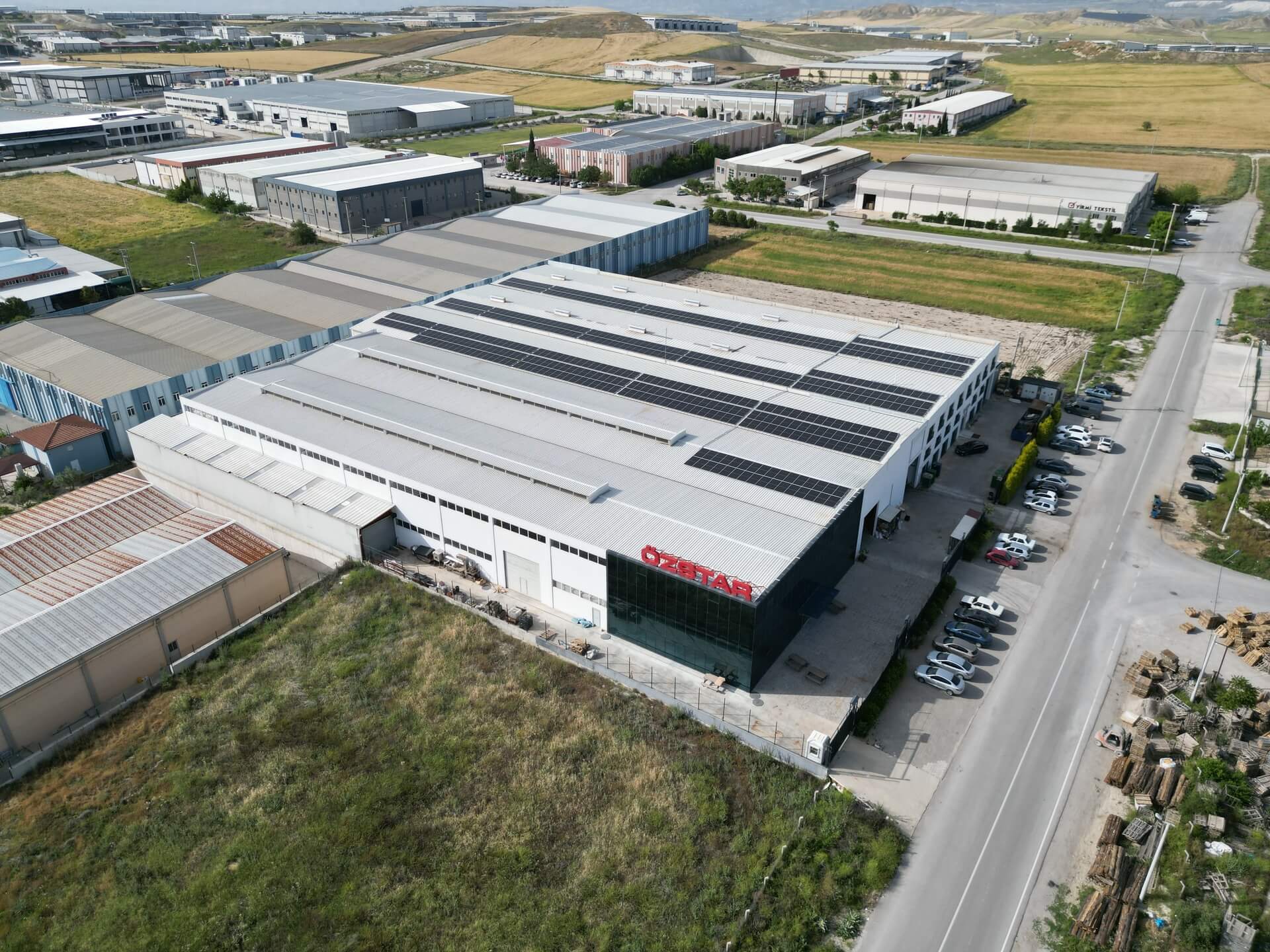
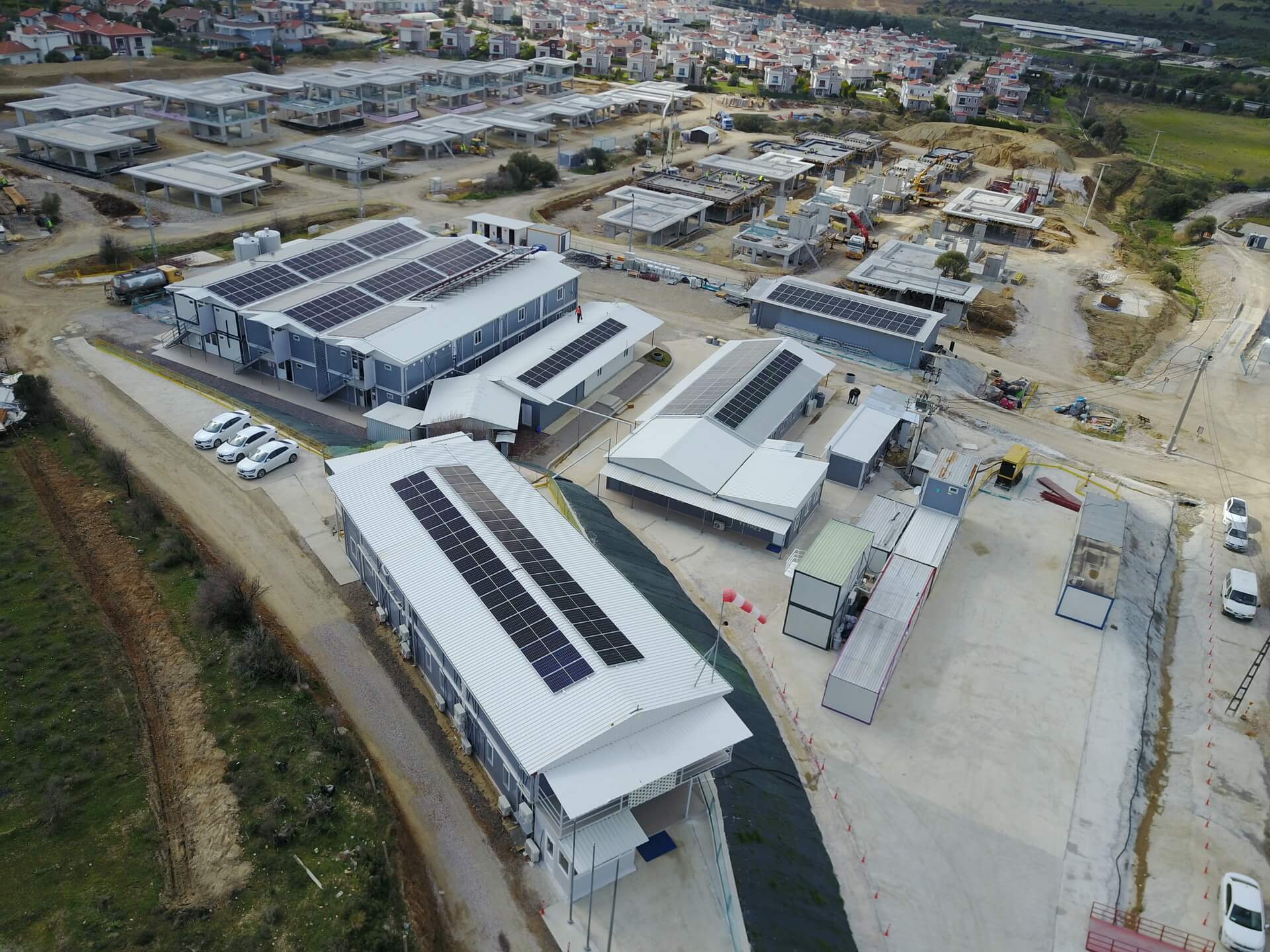
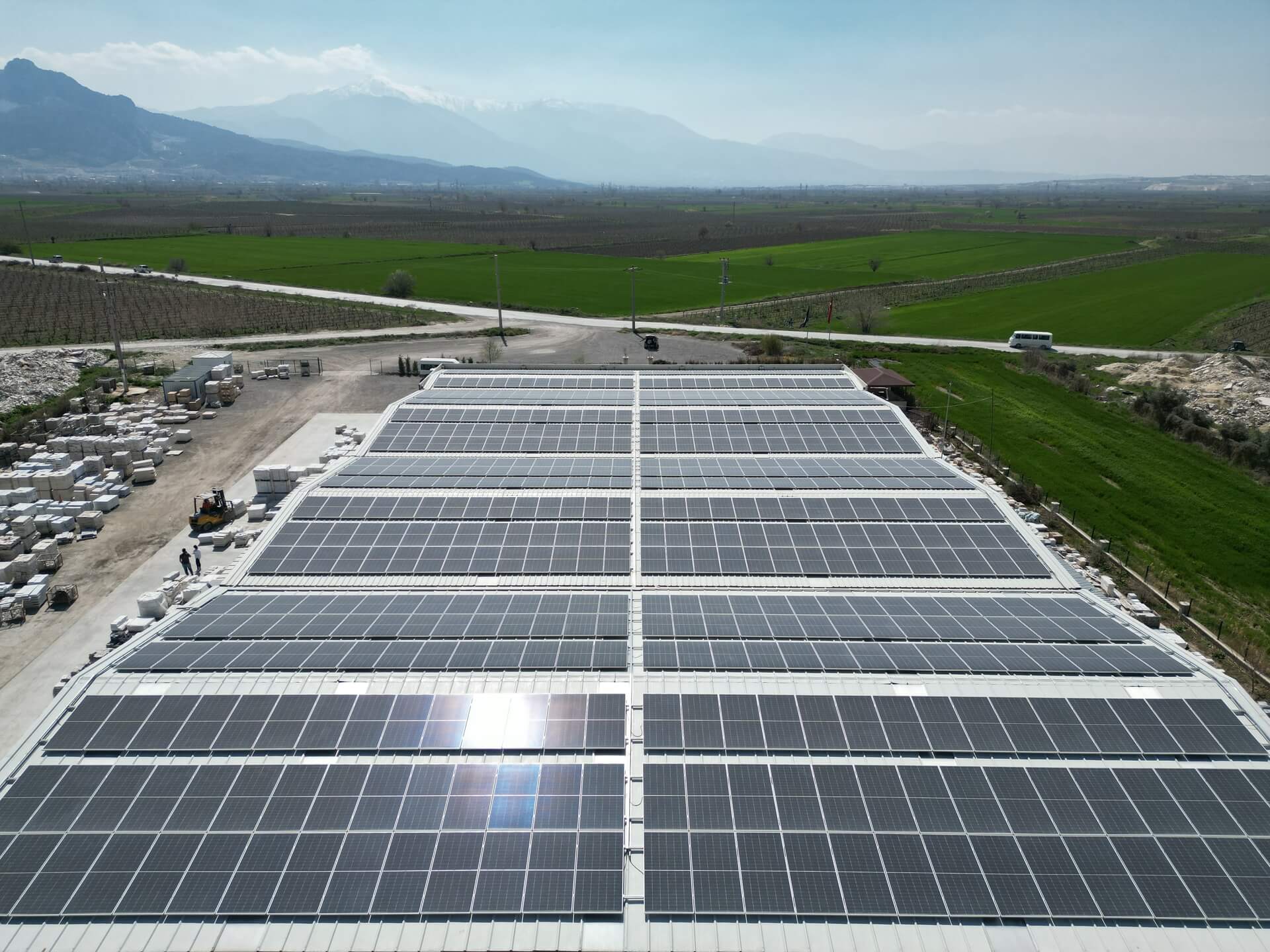
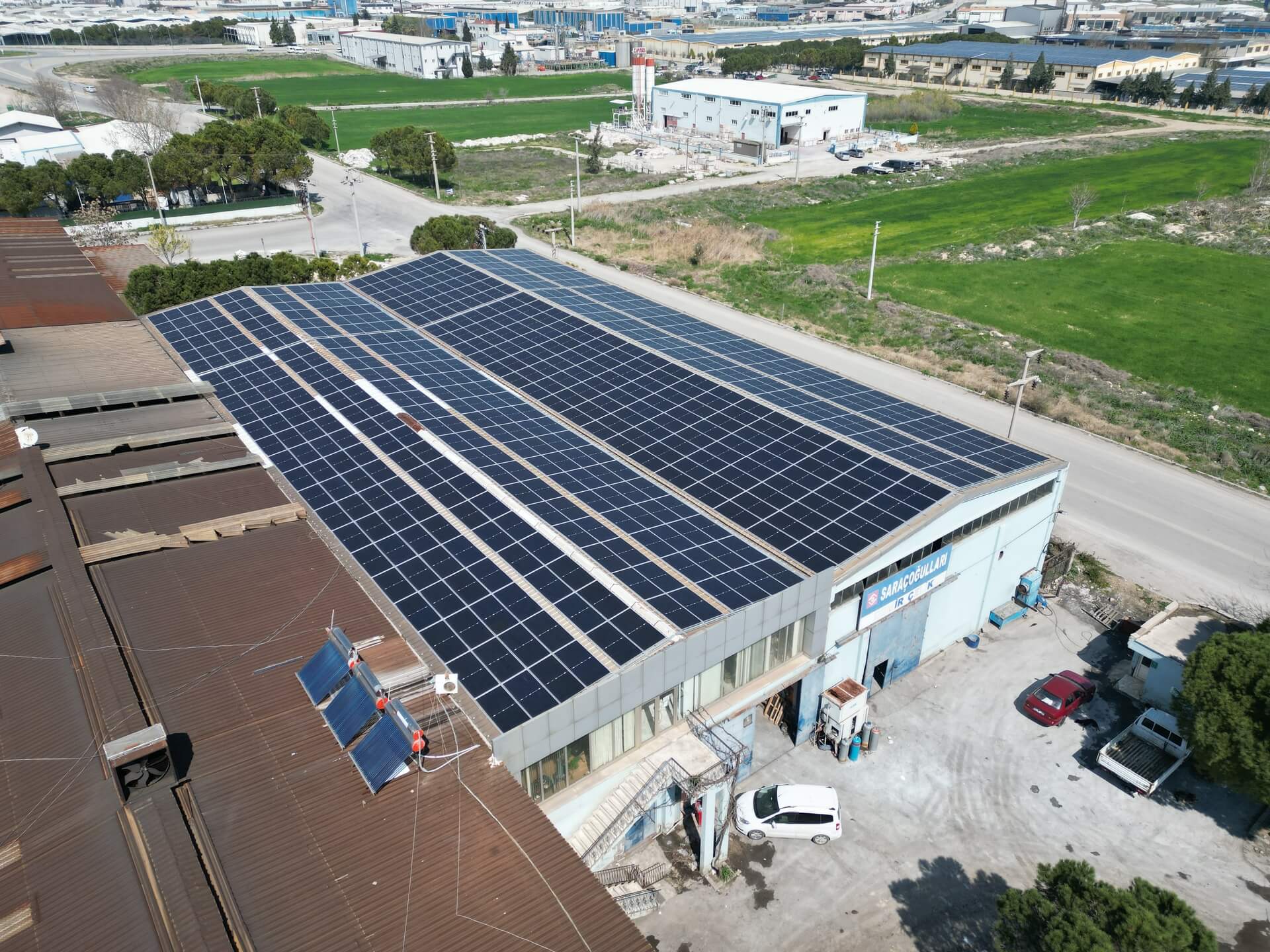
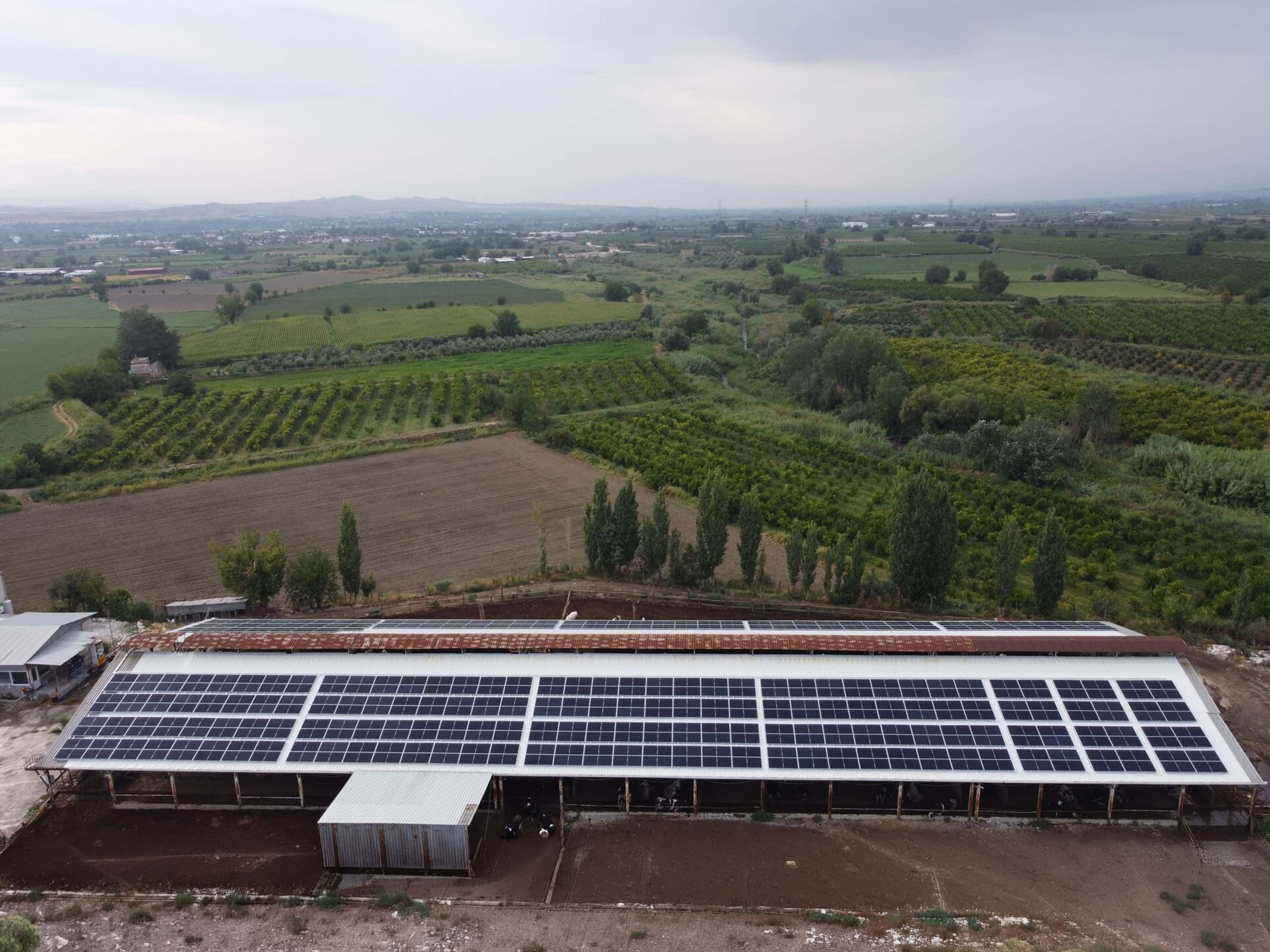
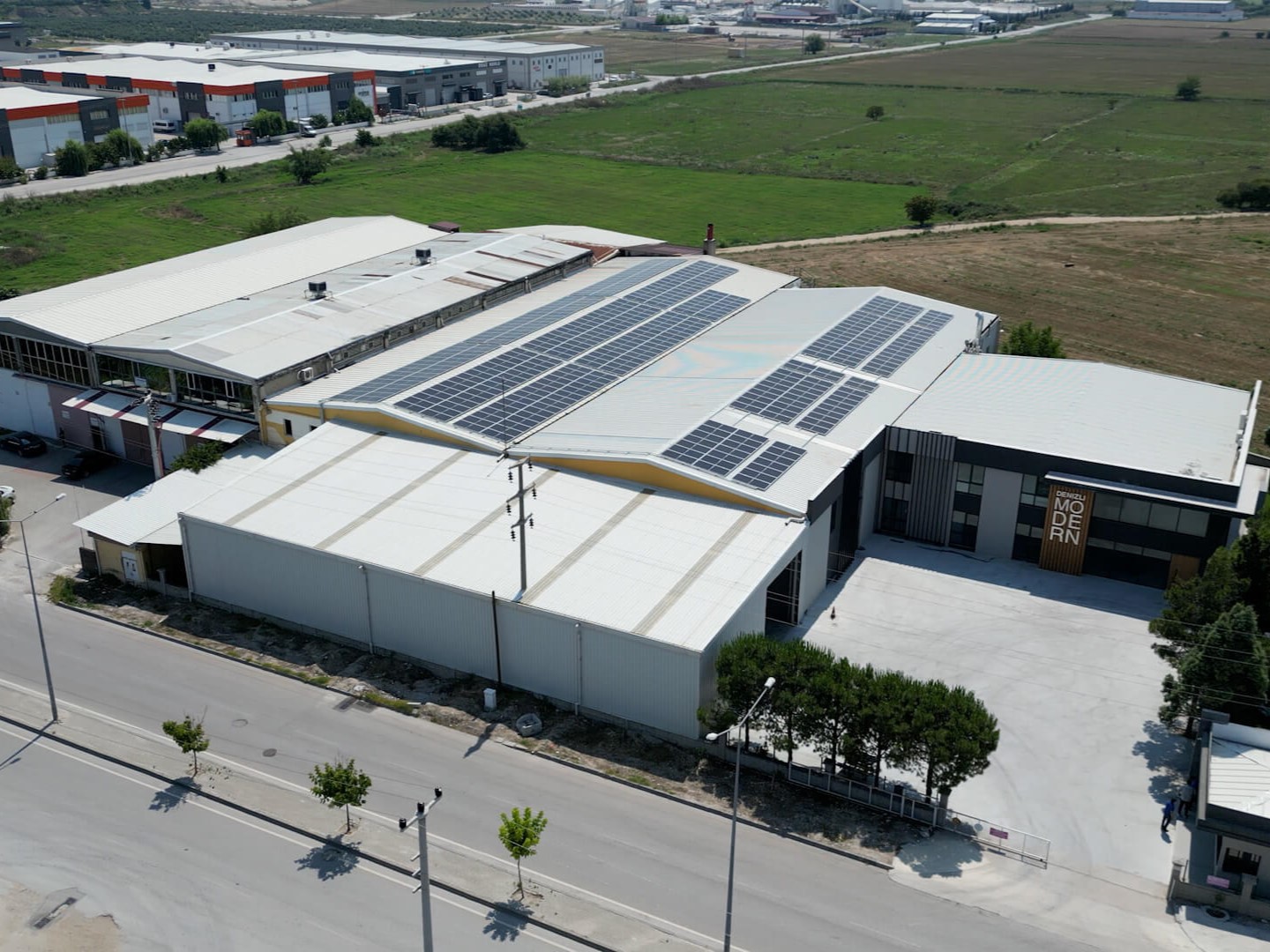
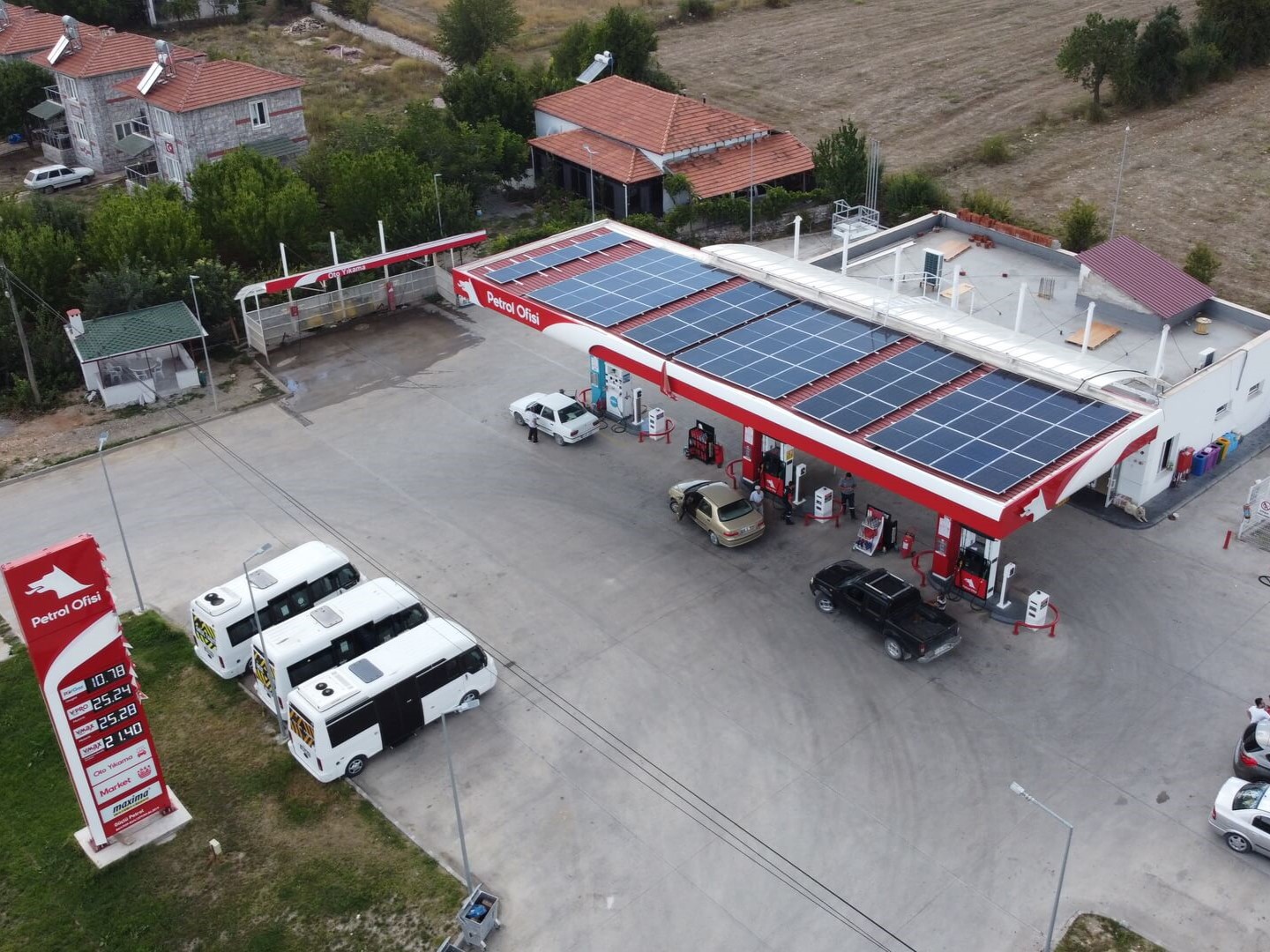
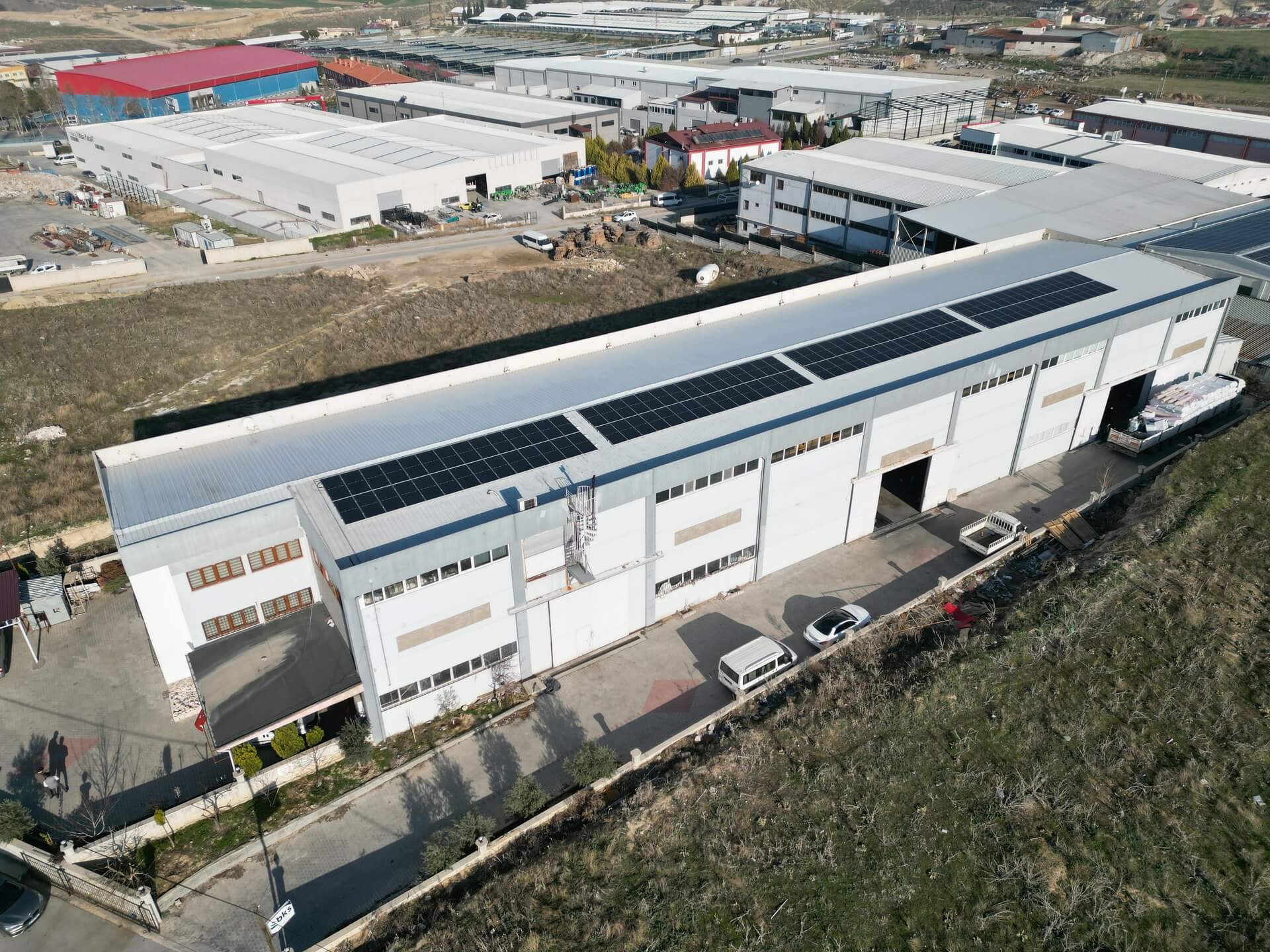
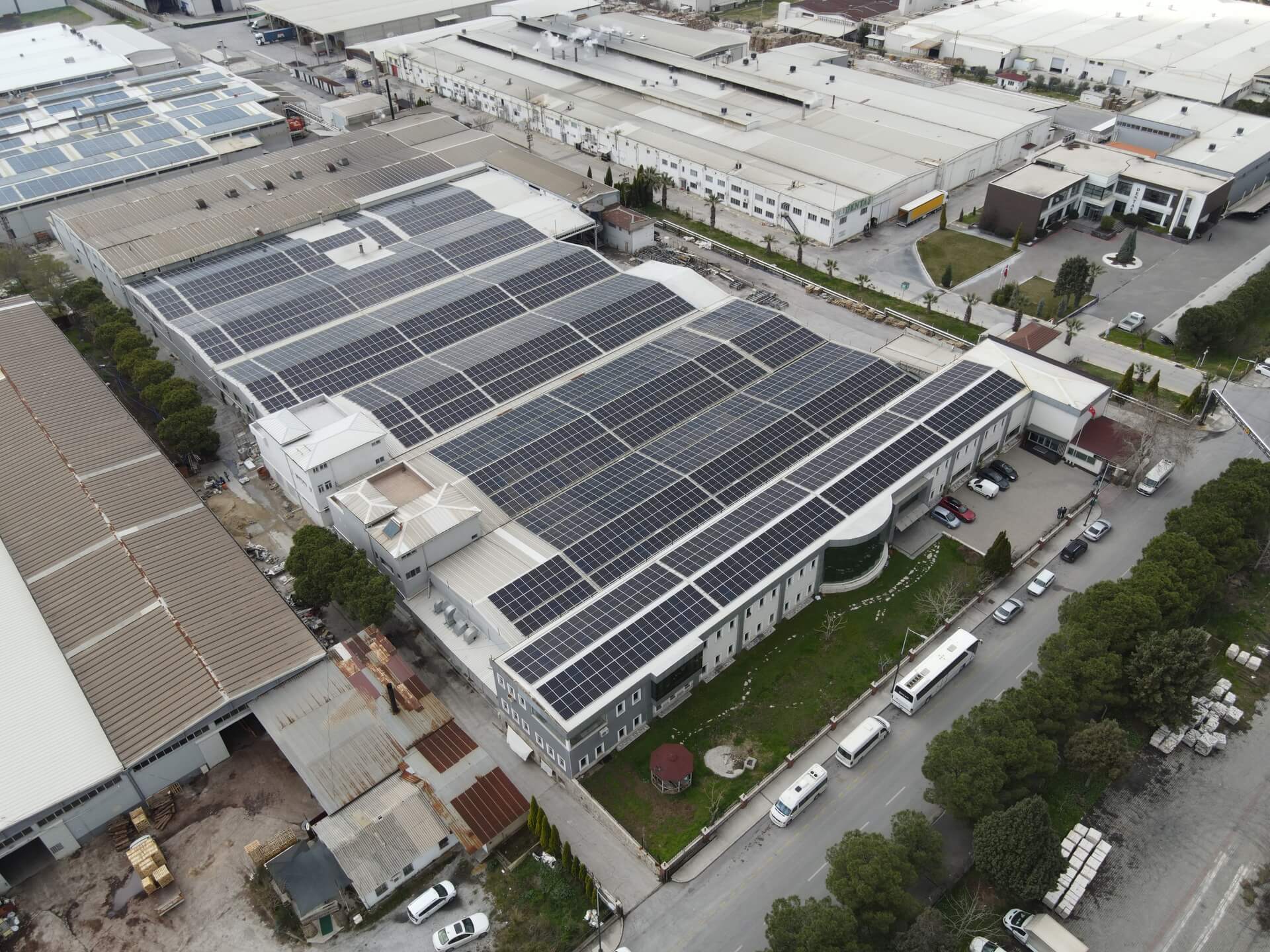
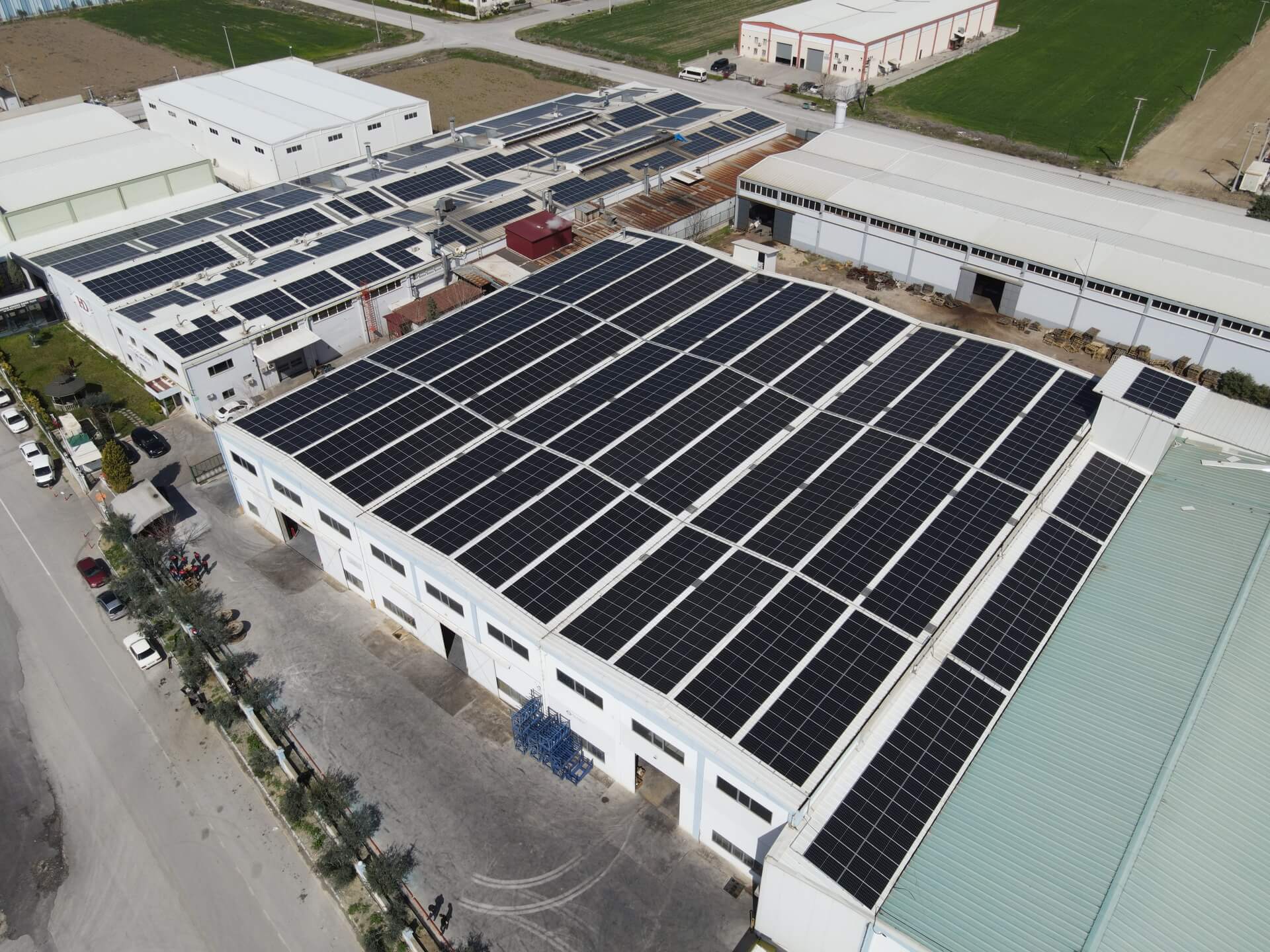
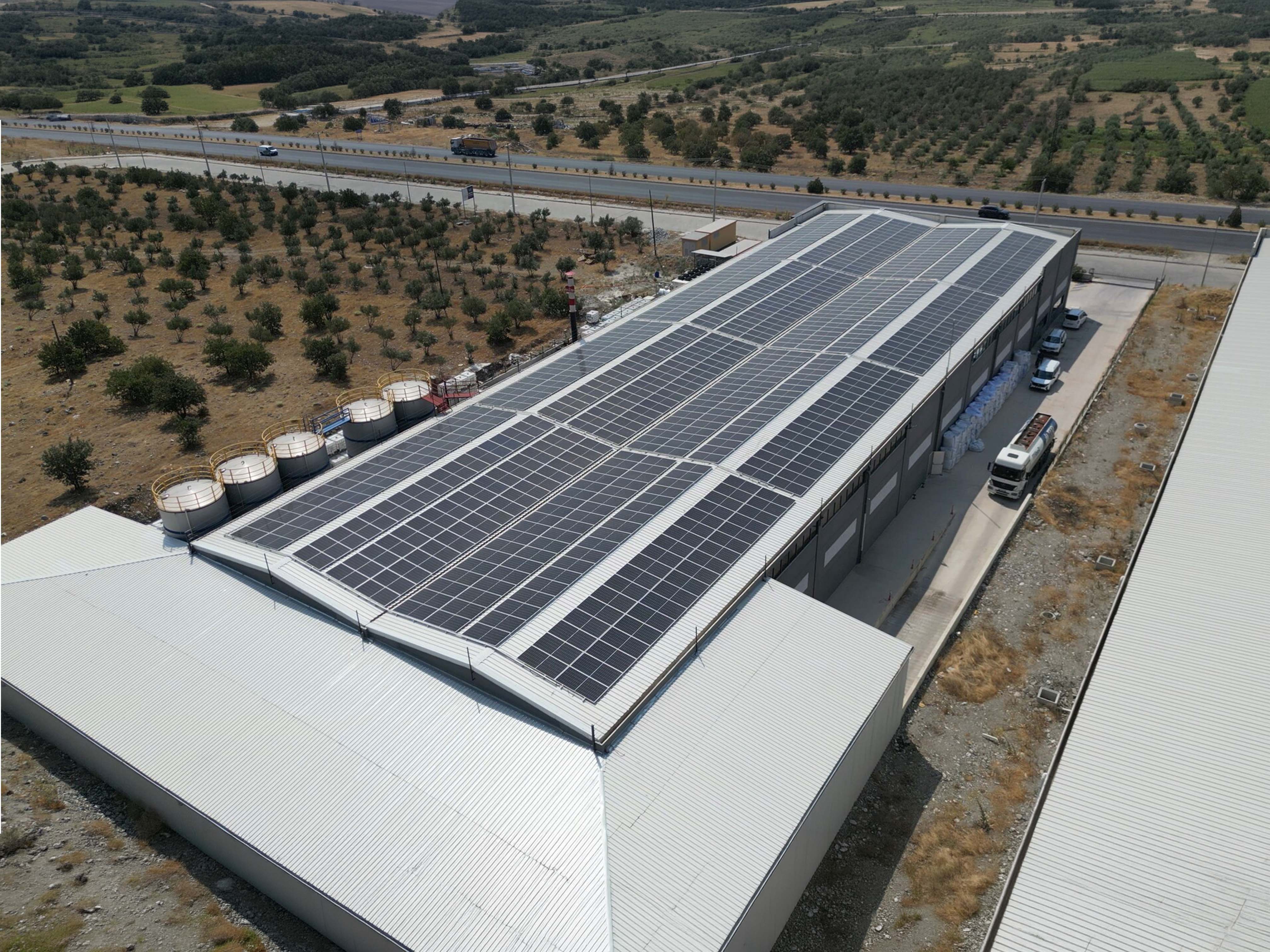
We execute rooftop solar power plant installations for industrial structures and commercial enterprises by managing the complete EPC (Engineering-Procurement-Construction) processes.
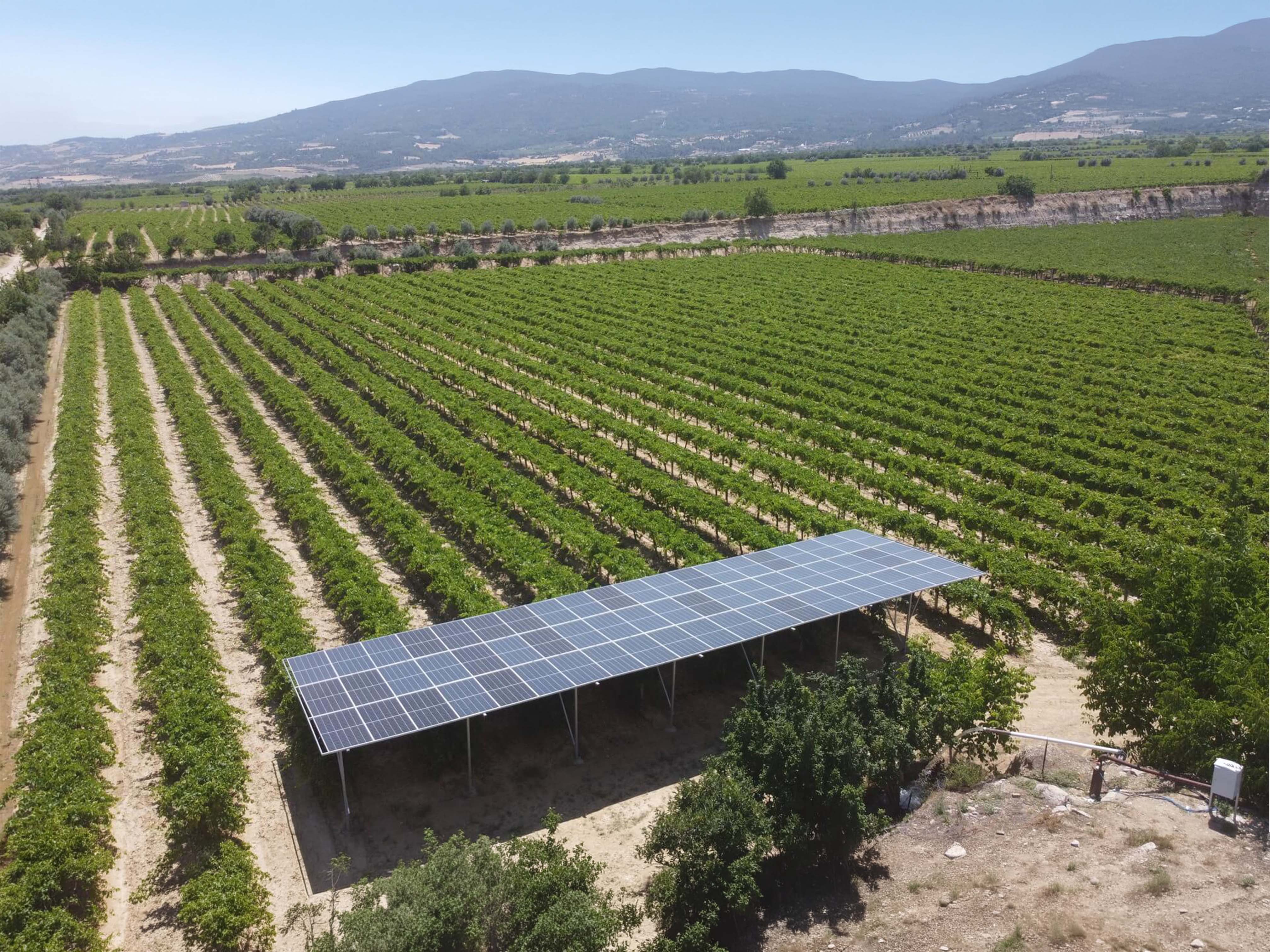
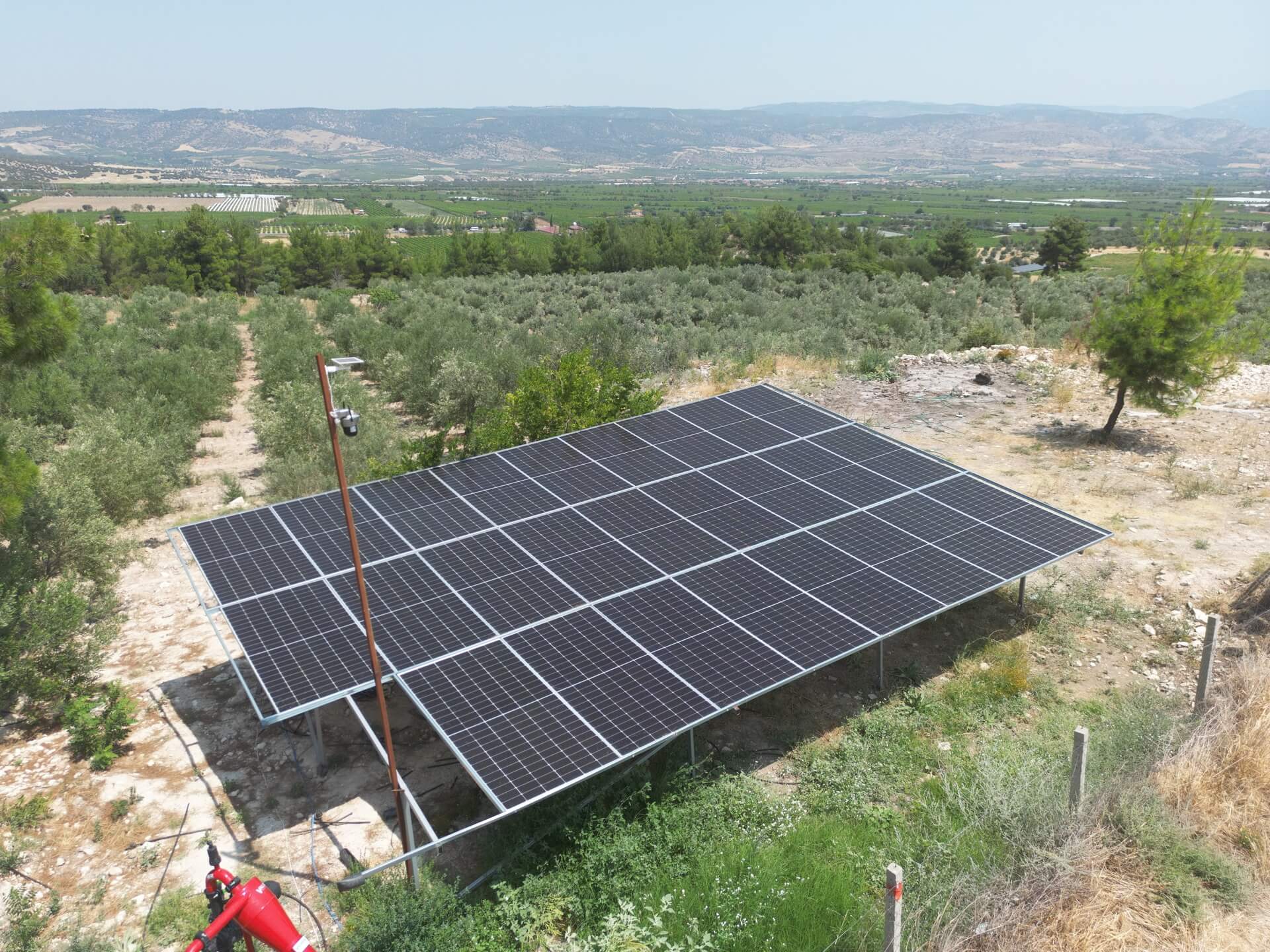
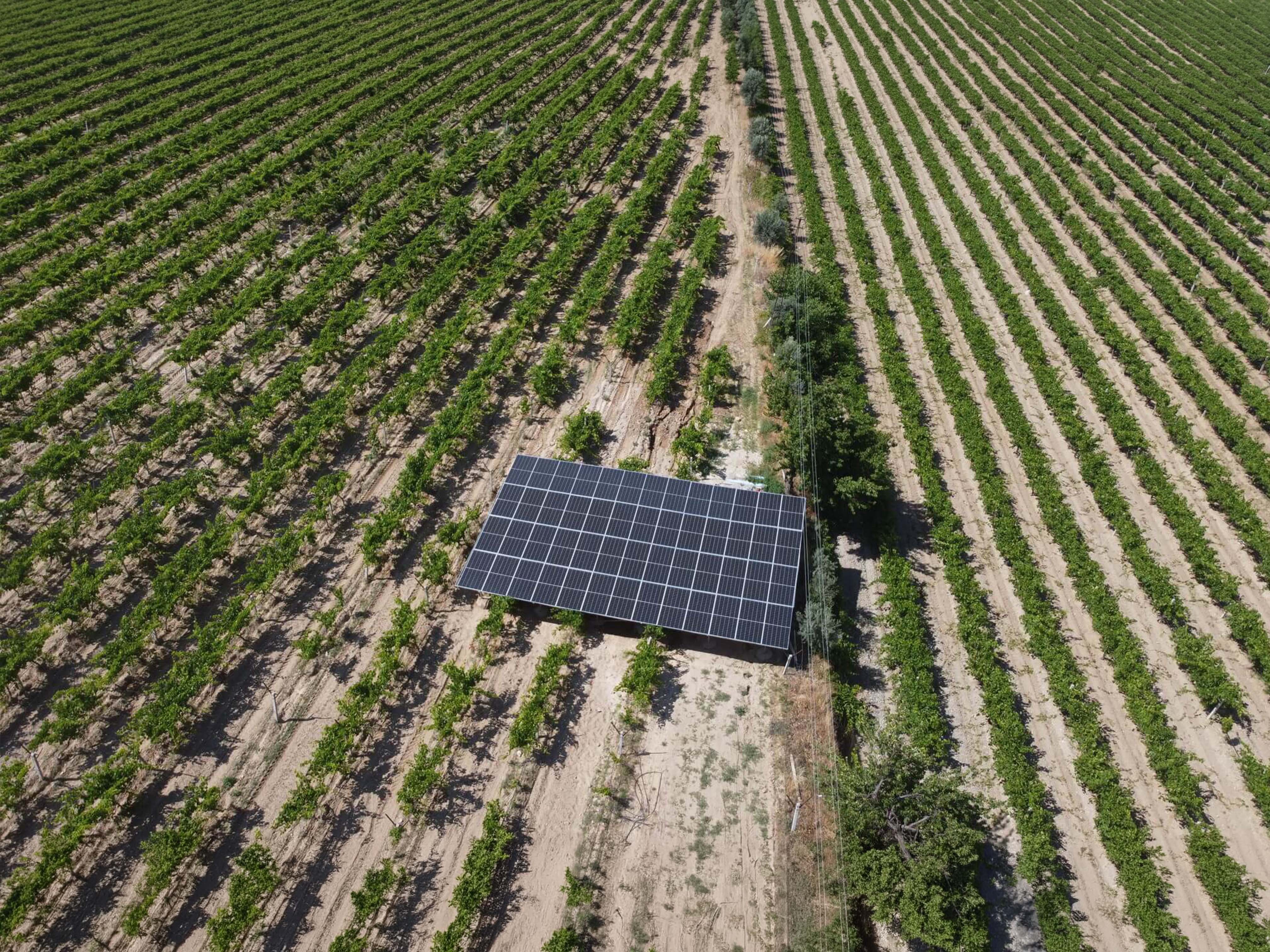
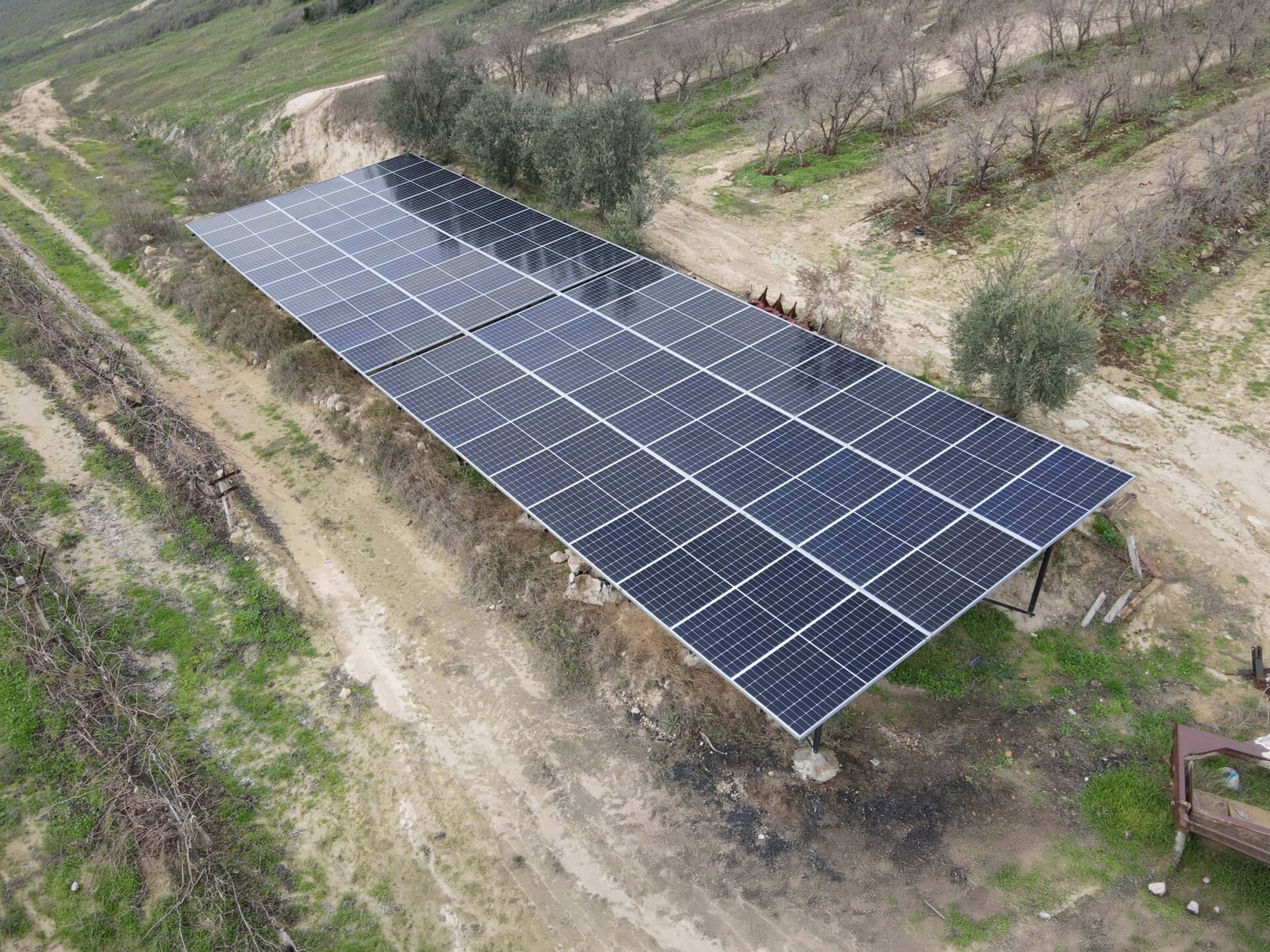
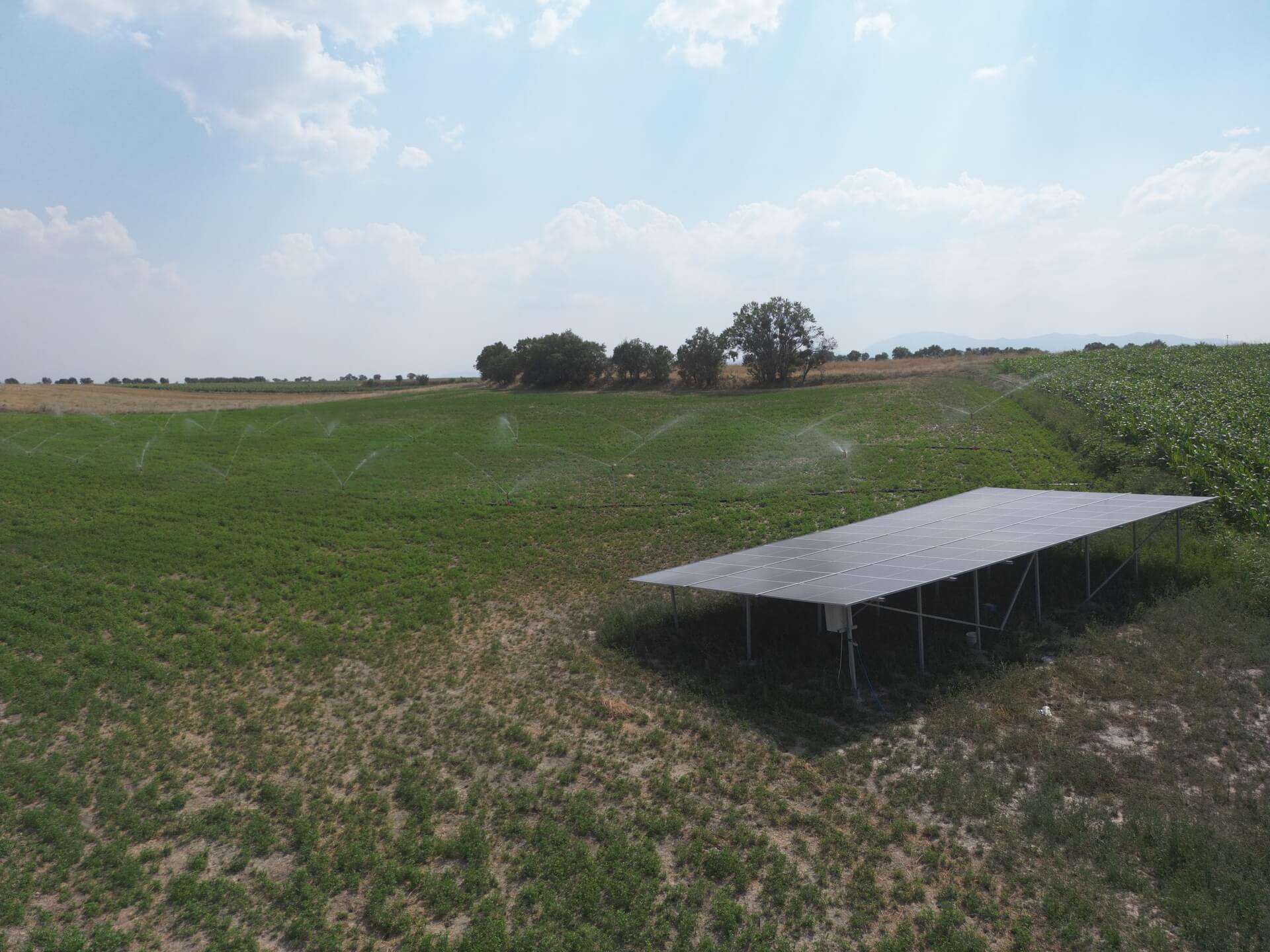
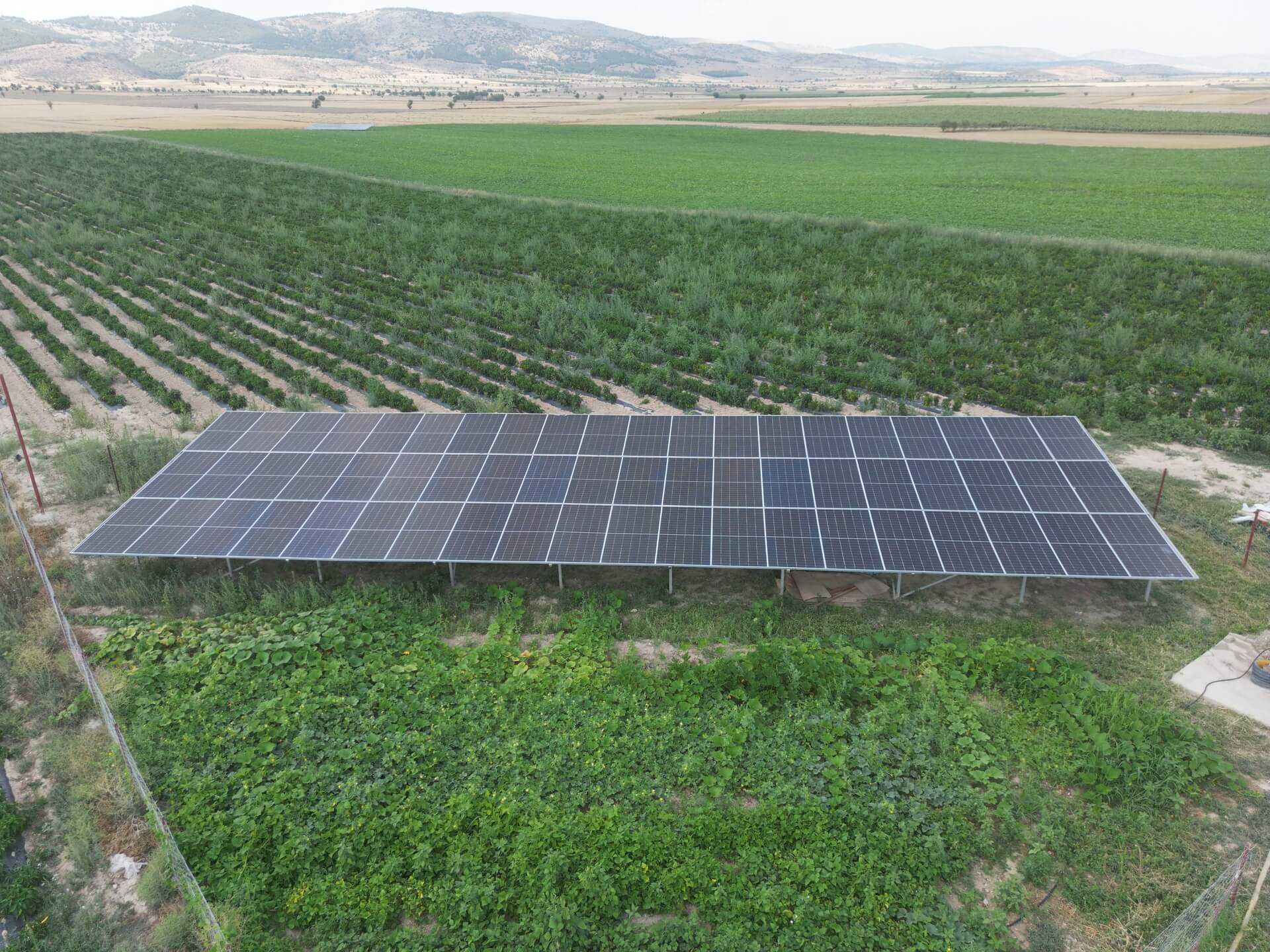
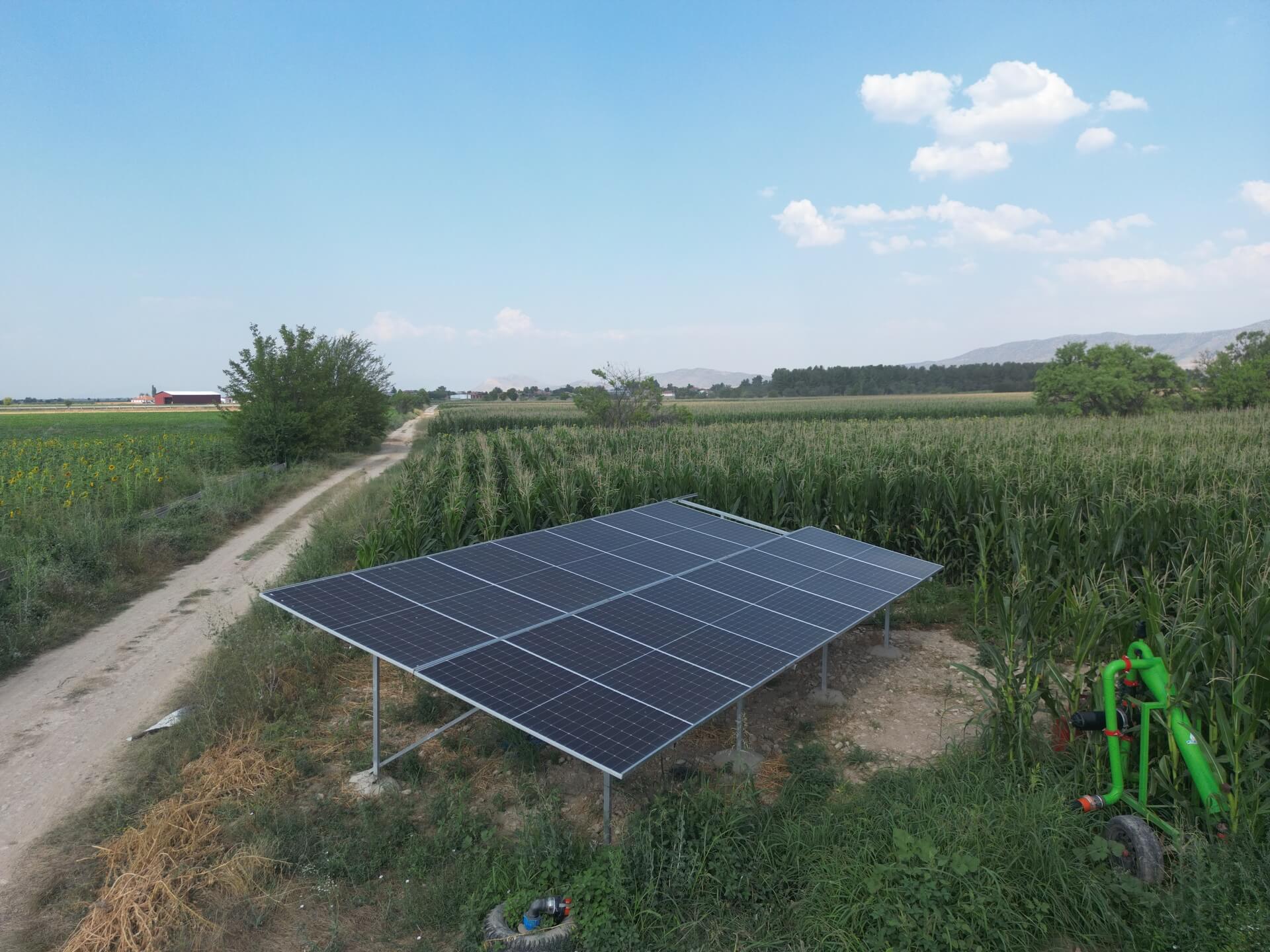
Agricultural Irrigation
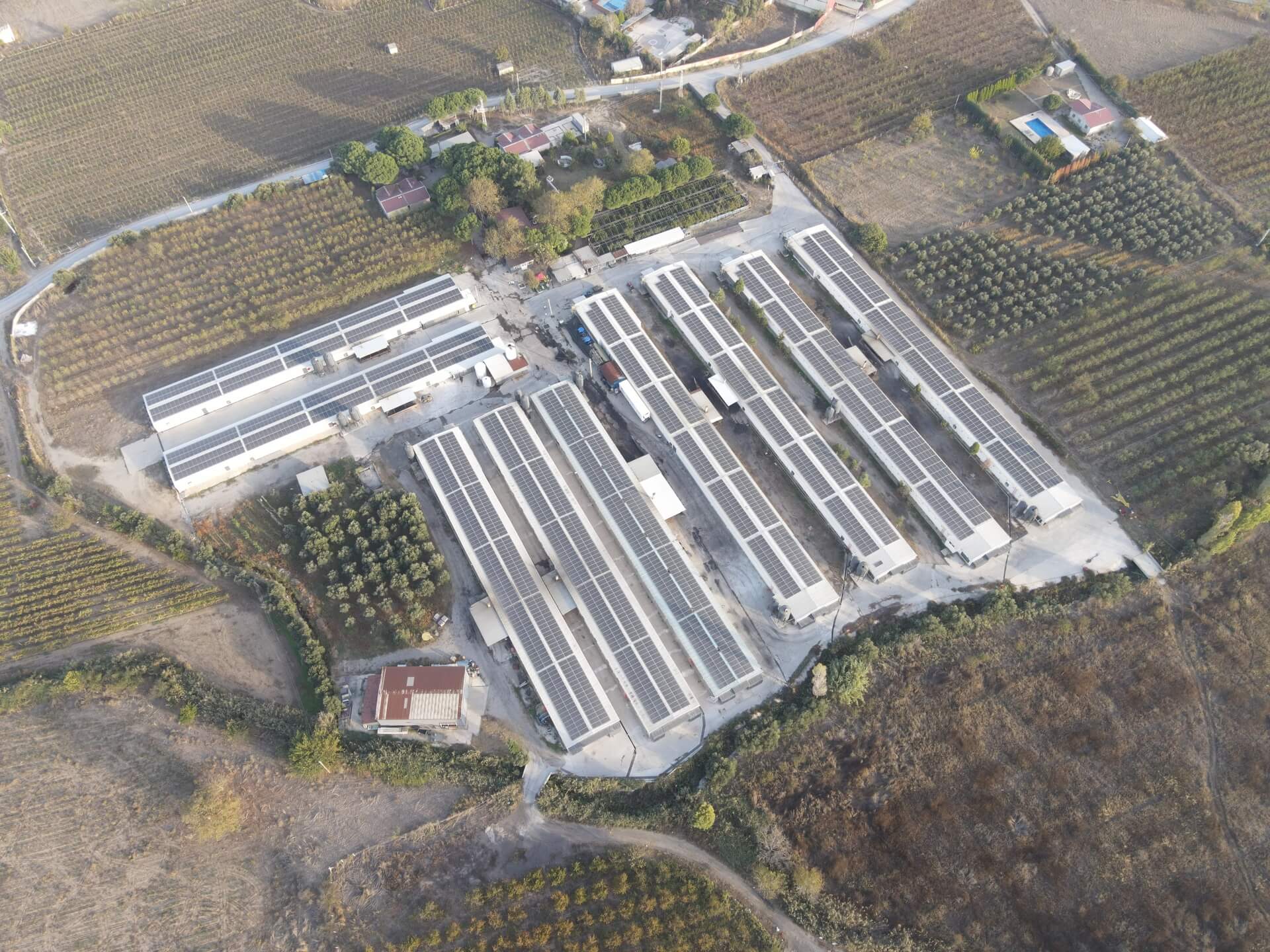
We offer our farmers, who have been utilizing the clean and renewable energy of the sun on ancestral lands for centuries, the opportunity to use irrigation resources at no cost.
Residential
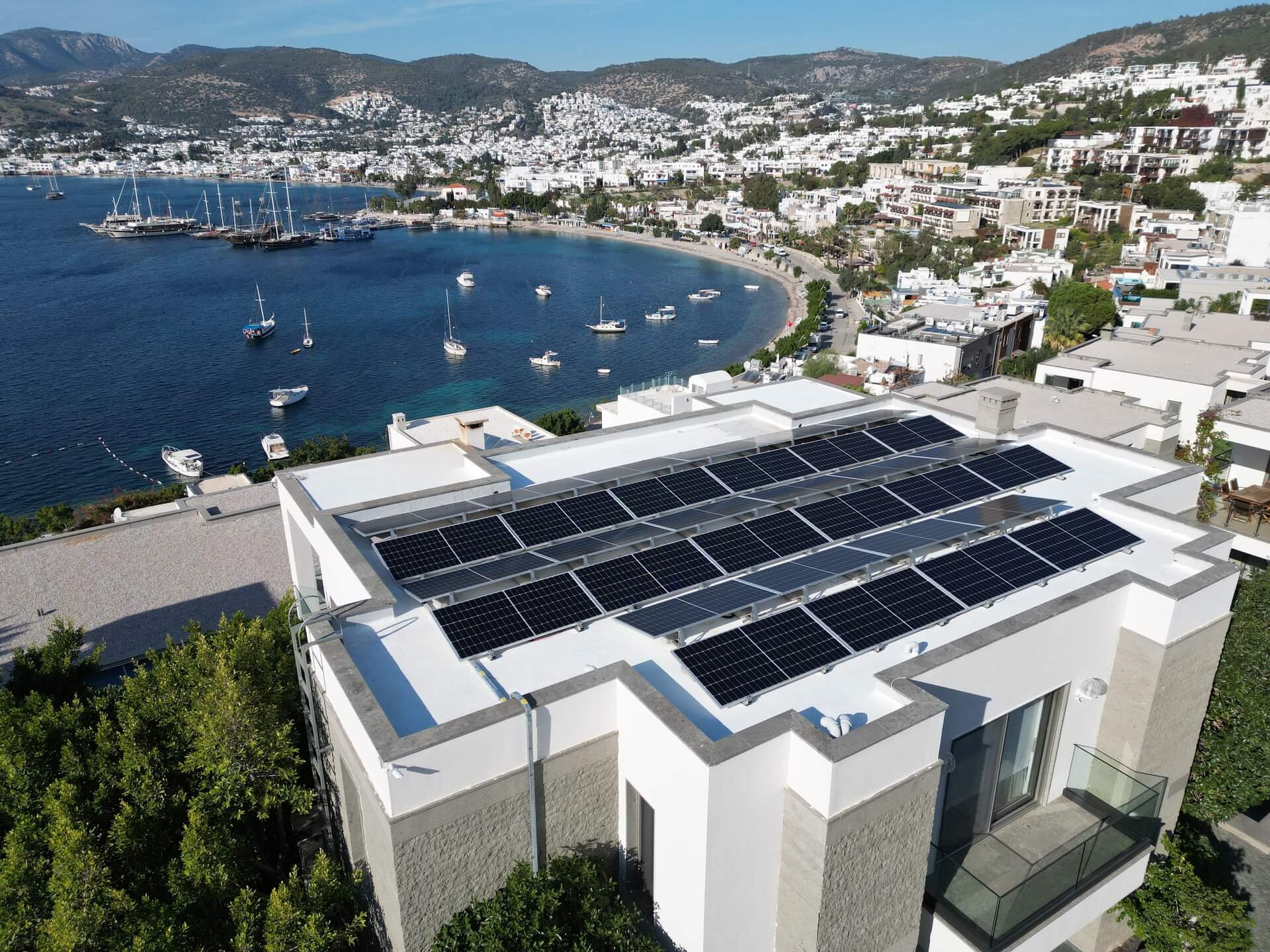
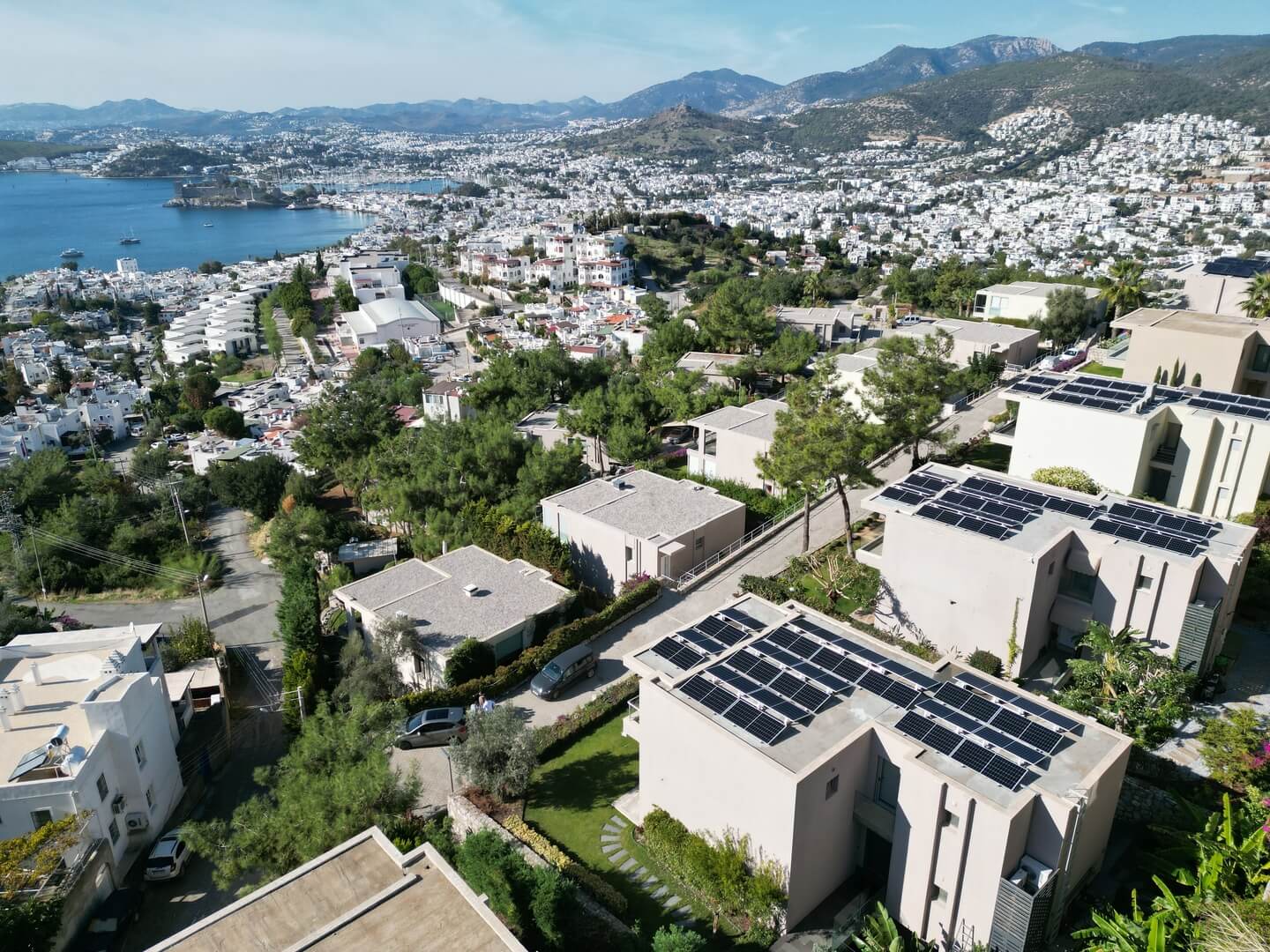
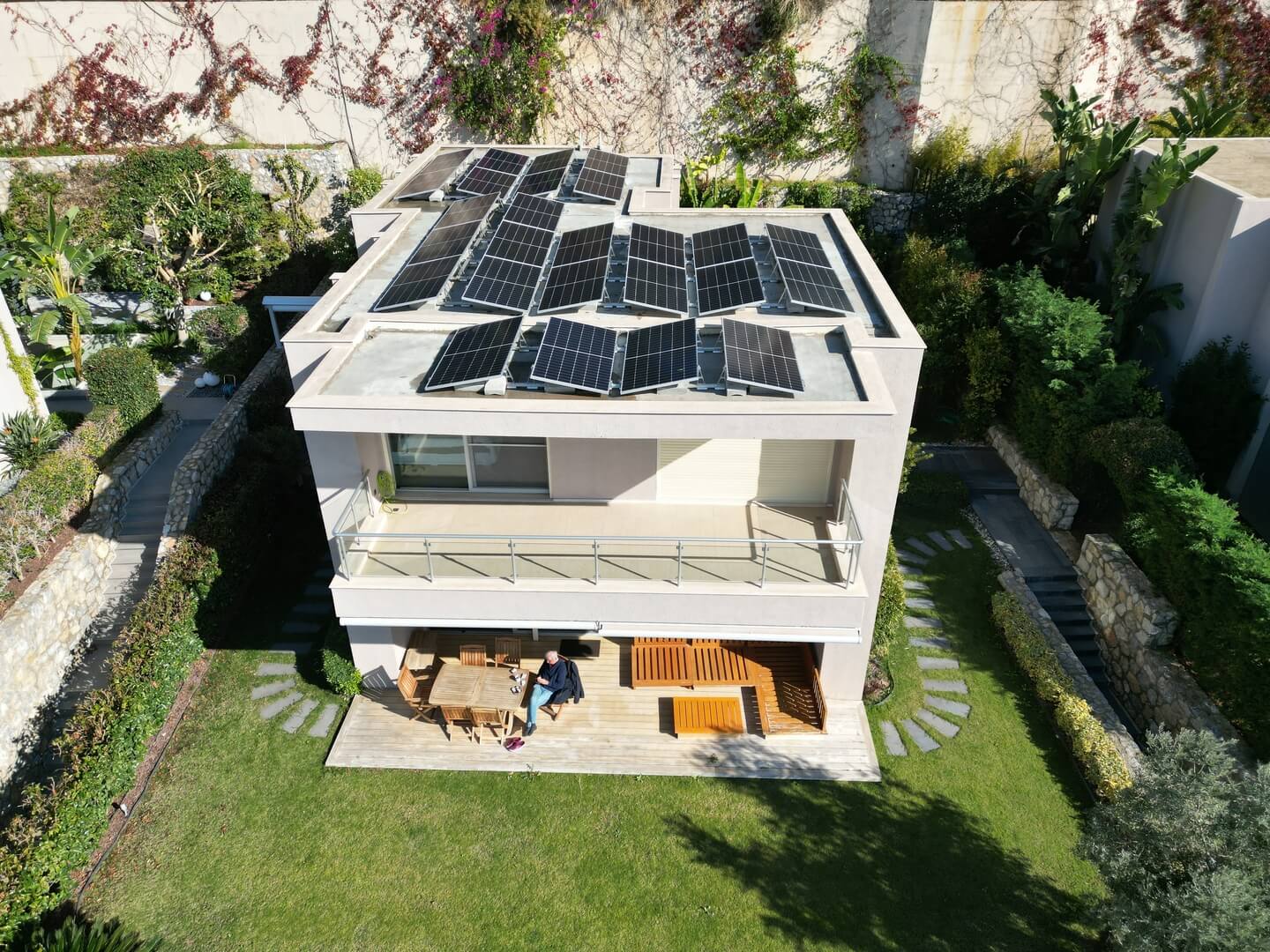
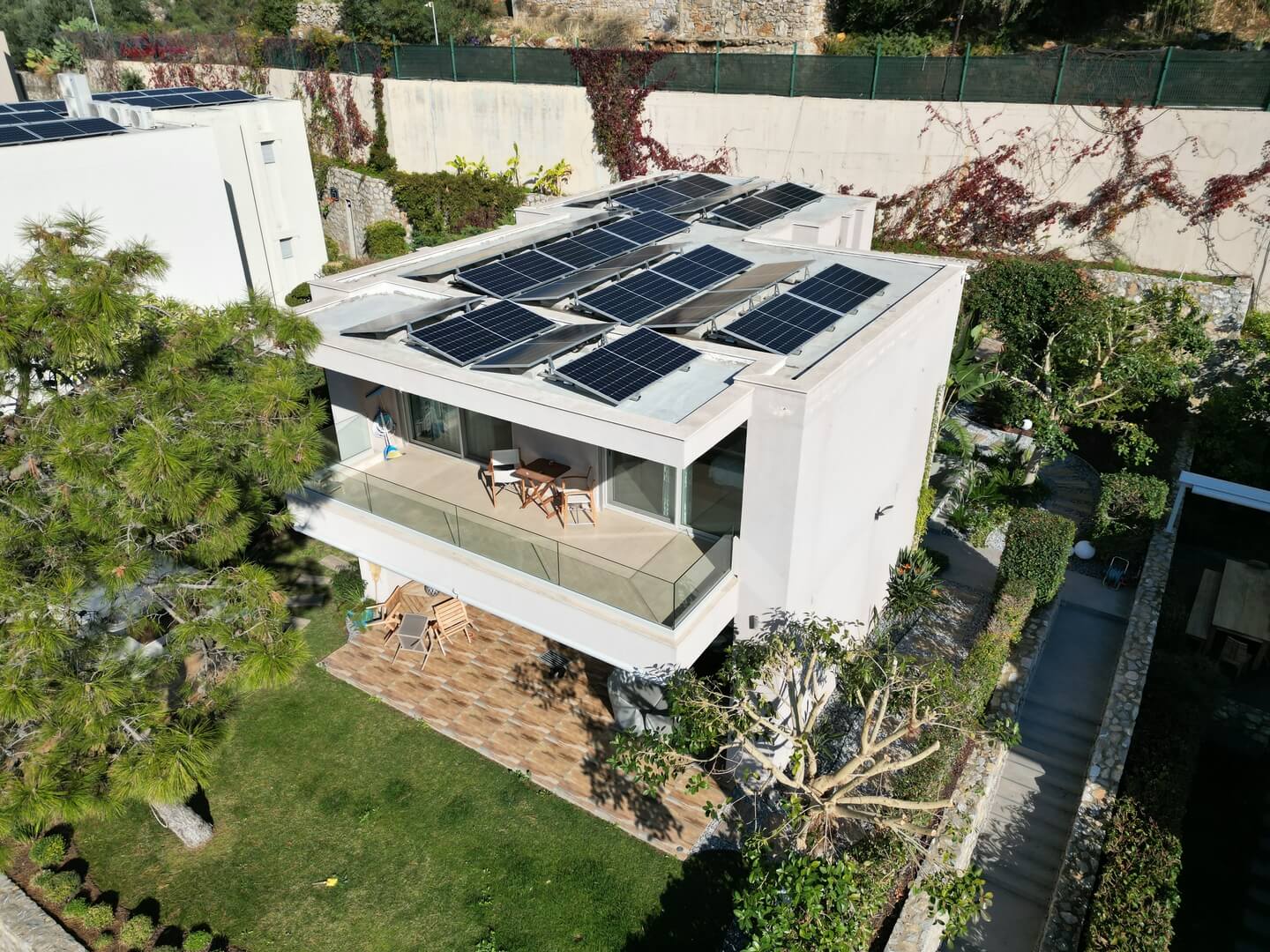
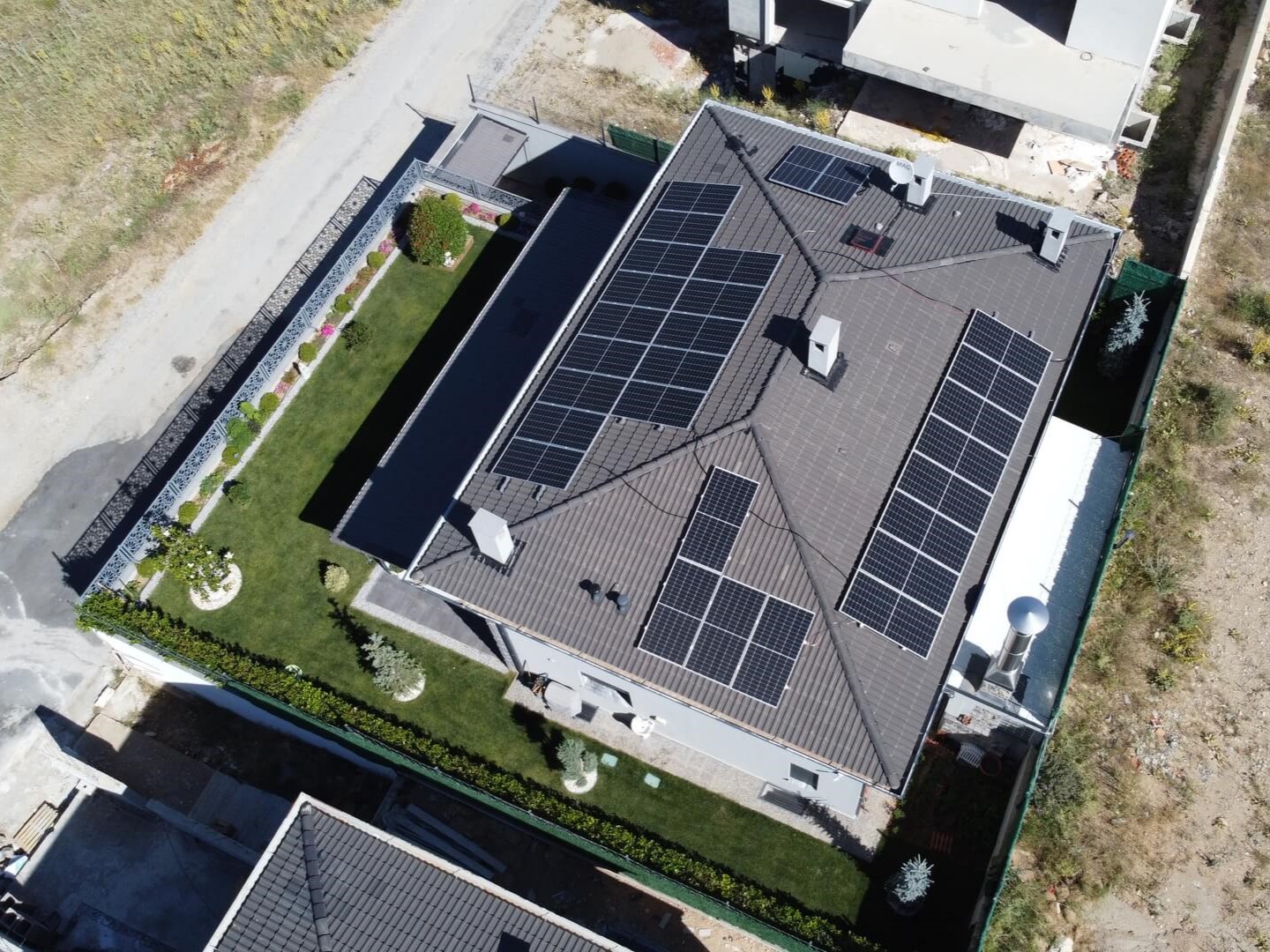
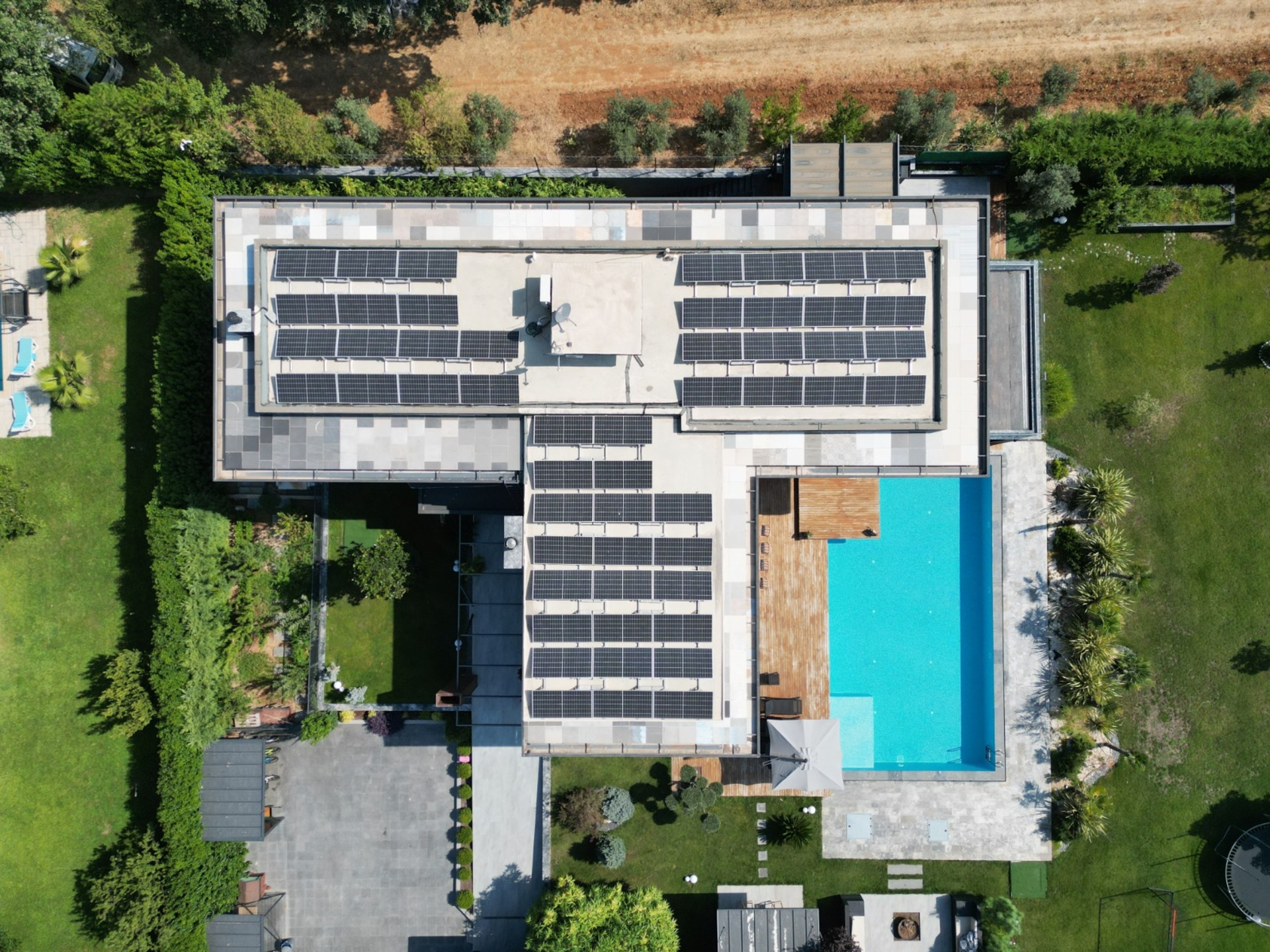
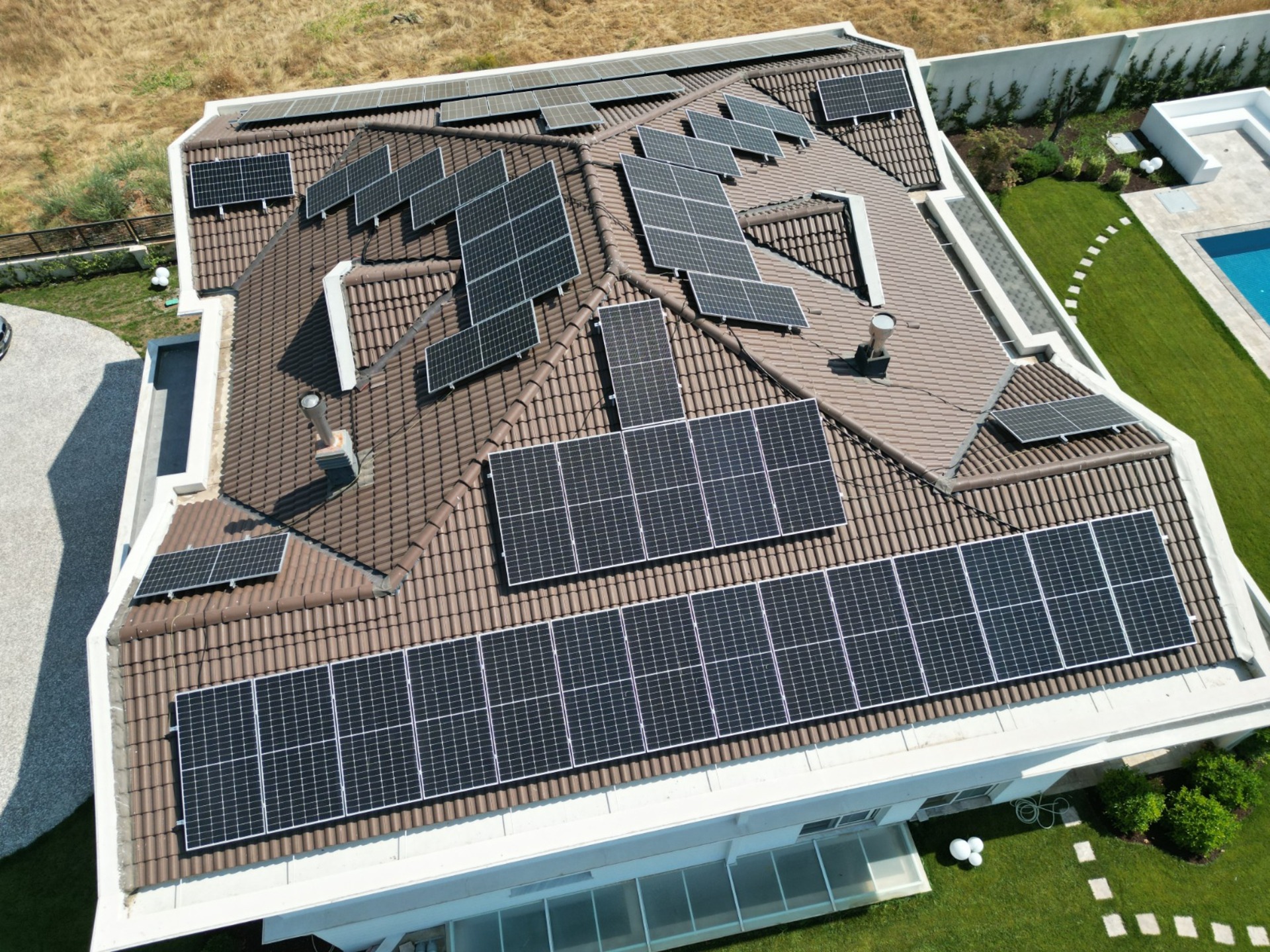
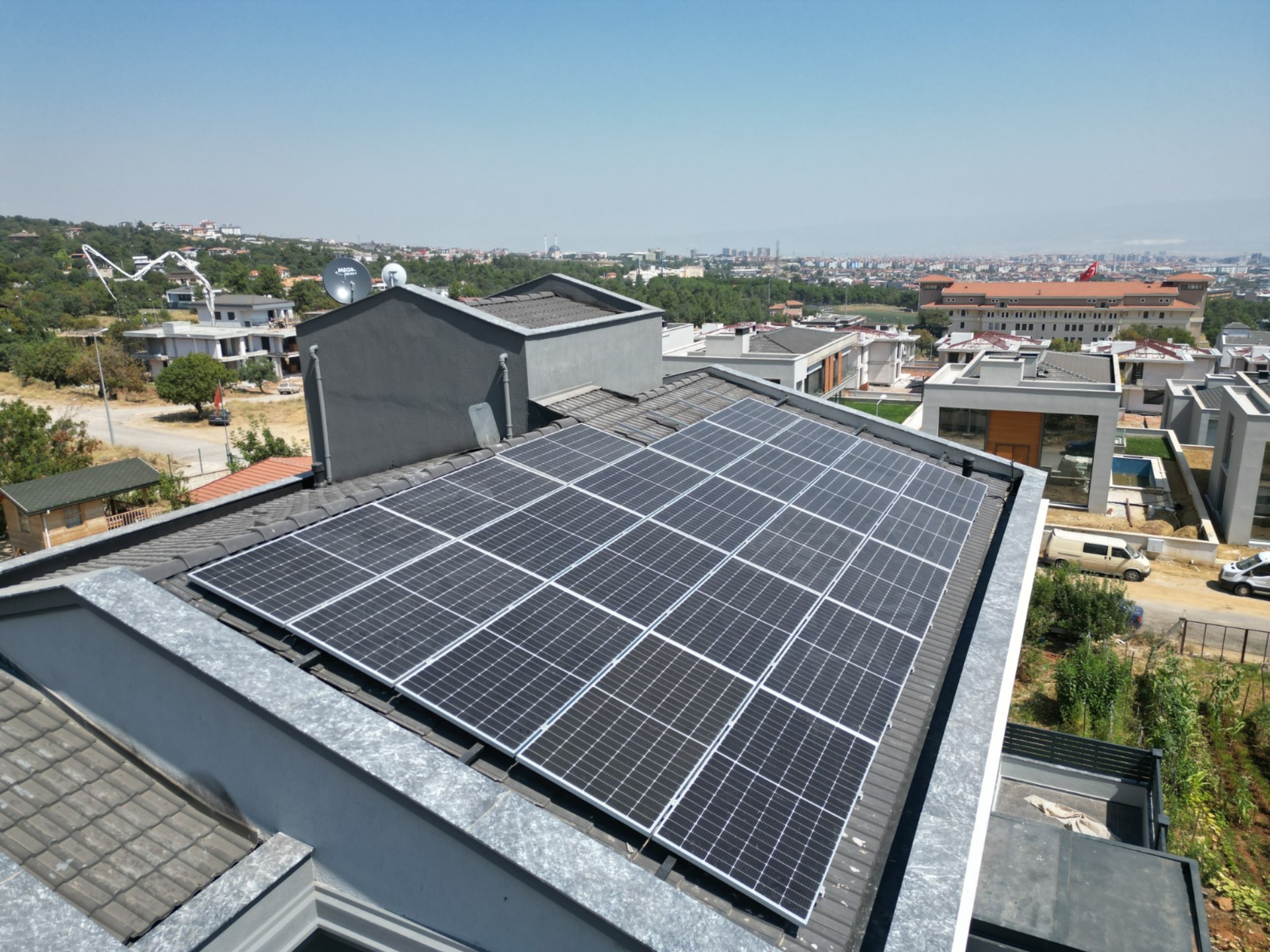
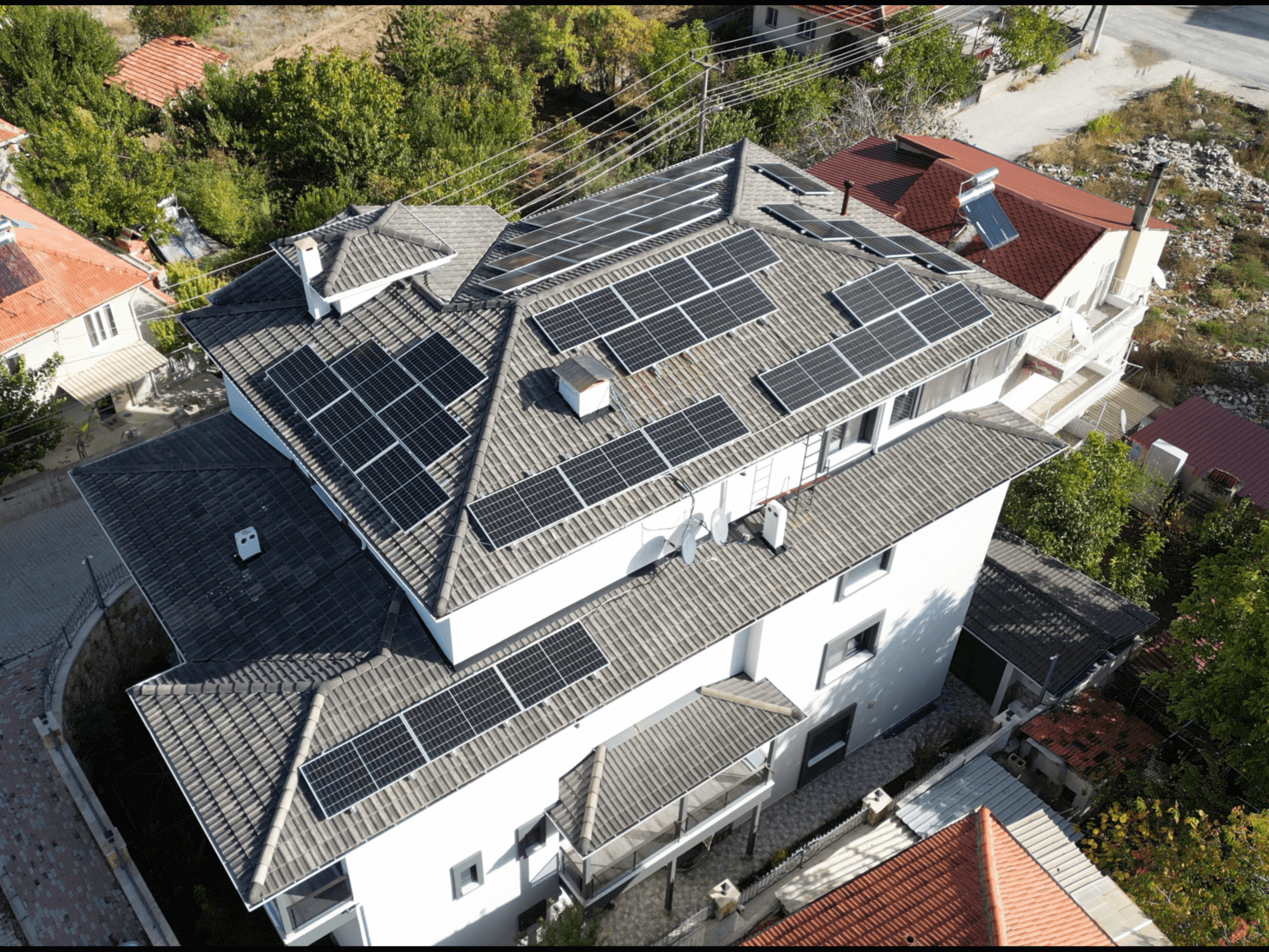
We install rooftop and facade solar energy systems for residential complexes, villas, detached houses, and apartments.
Operation and Maintenance (O&M)
We ensure the sustainable use of resources by utilizing the sun's clean energy for the long term and at peak efficiency.
Projects






About Us
Leave Your Mark on Future
Innovation
By following the latest technologies in the industry, we use the most up-to-date and efficient products in our projects.
Efficiency
With our engineering calculations, we ensure maximum production and minimal losses from the system.
Trust
Your investment is secured with transparent process management and after-sales support.
Expertise
With our experienced engineers and technical team, we deliver solutions even under the most challenging on-site conditions.
Frequently Asked Questions
Complimentary consultancy for your curiosity.
1 What does EPC mean?
EPC is an English acronym for Engineering, Procurement, and Construction. It is a turnkey business model where all design and assembly stages of a solar power plant project are undertaken by a single contractor. REC Enerji, providing EPC services within REC Group, establishes turnkey power plants by completing project design, permitting, and installation processes to ensure the efficient use of solar energy and the rapid conclusion of the construction phase. Thus, while professional service is provided for all questions and issues, maintenance and operation services for the plants are also offered upon request.
2 What is Rooftop SPP?
These are renewable energy projects carried out by consumers as rooftop and facade applications at the same measurement point as their consumption facilities to reduce energy costs. These systems can be exempted from building permits in areas with a zoning plan, provided they are installed for the building's own needs, do not exceed the eaves limits, and adhere to the architectural appearance.
Footnote: This matter is regulated within the framework of the provisions of the Regulation on Unlicensed Electricity Generation in the Electricity Market and the Planned Areas Zoning Regulation.
3 What is Agricultural SPP?
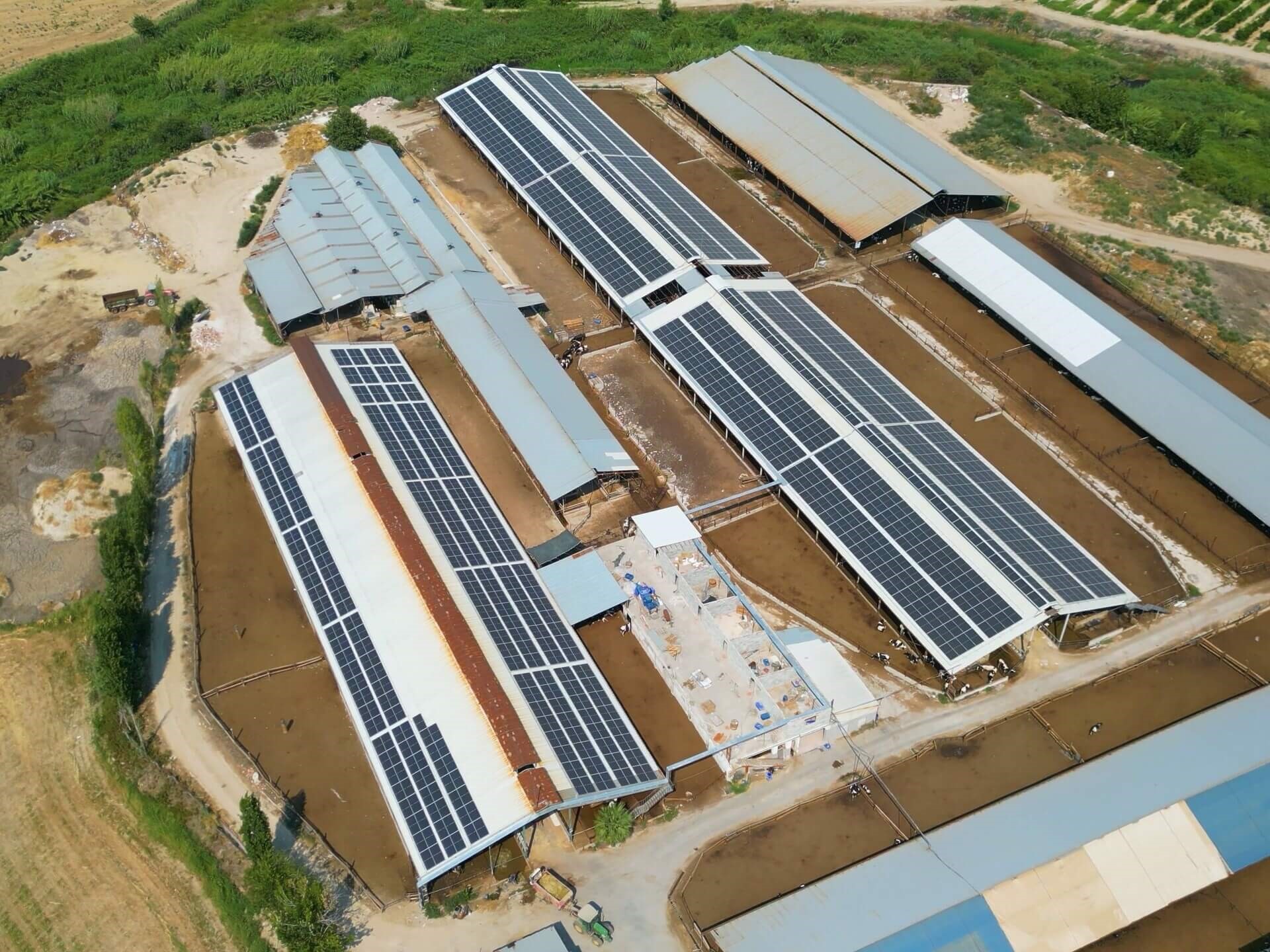
These are facilities established specifically in areas with agricultural irrigation subscriptions, limited to the contracted power in the connection agreement, to meet the electricity needs of irrigation facilities. Furthermore, systems installed on the roofs of agricultural structures to meet their own energy needs are considered appurtenances of the relevant structure and are evaluated under the status of agricultural structures.
Footnote: Agricultural SPP activities are carried out within the scope of the Electricity Market Law No. 6446 and the Implementing Instruction on the Protection, Use, and Planning of Agricultural Lands.
4 What is Ground-Mounted SPP?
These are systems that convert solar energy into electrical energy on lands meeting specified technical criteria. In ground-mounted installations, it is essential to primarily use dry marginal agricultural lands instead of absolute agricultural lands, special crop lands, and irrigated agricultural lands, and to preserve the integrity of agricultural use.
Footnote: Ground-mounted SPP installations are subject to land class restrictions in the Soil Protection and Land Use Law No. 5403 and relevant implementing instructions.
5 What is Industrial SPP?
These are solar energy facilities that industrial plants can install with a capacity of up to twice the contracted power in their connection agreements, which can be located at the same or different measurement points as the consumption facilities. These systems allow industrial enterprises to improve their financial statements by lowering energy costs, transforming electricity from an expense into an income item, and achieving their sustainability goals.
Footnote: This production opportunity for industrial facilities is legally secured by Article 14 of the Electricity Market Law No. 6446.
6 Can I install a power plant at my home?
Electricity market regulations allow individual consumers to meet their own energy needs from renewable sources, and simplified application processes exist for systems up to 25 kW. These systems installed on the roofs and facades of houses can be established without requiring a building permit, provided they adhere to the architectural appearance and are used for the building's own needs.
Footnote: Individual installations are supported with permit exemptions under the Electricity Market Law No. 6446 and the Planned Areas Zoning Regulation.
7 What is solar energy?
It is a sustainable type of energy located among natural energy sources and used to protect the environment, reduce greenhouse gas emissions, and increase energy source diversity. Solar energy projects are supported by the state with various purchase guarantees and incentives within the scope of the Renewable Energy Support Mechanism (YEKDEM).
Footnote: The definition and usage purposes of renewable energy sources are defined in the Law No. 5346 on the Use of Renewable Energy Resources for the Purpose of Generating Electrical Energy.
8 What is unlicensed electricity generation?
These are activities carried out within certain capacity limits, created to bring small-scale production resources into the economy and encourage consumers to produce their own energy. Persons engaged in unlicensed production have the right to sell the energy they produce in excess of their needs to the grid for 10 years.
Footnote: This activity is regulated by the provisions of the Electricity Market Law No. 6446 and the Regulation on Unlicensed Electricity Generation in the Electricity Market.
9 Are solar panels suitable for everywhere?
While establishing solar power plants, fertile areas such as absolute agricultural lands, special crop lands, and irrigated agricultural lands are protected, and installation is not permitted there. Additionally, it is mandatory that the technical characteristics of the grid to which the system will be connected are sufficient and the capacity of the transformer station is suitable.
Footnote: The suitability of installation areas is audited within the framework of Law No. 5403 and the Electricity Market Connection and System Usage Regulation.
10 What is a rooftop SPP with battery? What do Off-Grid and On-Grid mean?
On-Grid systems work in connection with the national electricity transmission or distribution grid and feed the surplus of the generated energy into the grid. Off-Grid systems, on the other hand, operate without any connection to the grid and meet energy needs through storage units. Legislation allows for the installation of integrated electricity storage units in production facilities and the supply of energy to the system through these units.
Footnote: Grid connection types and storage units are defined within the scope of the Electricity Market Law No. 6446 and the Electricity Market Connection and System Usage Regulation.
11 Can I meet all my electricity needs with a rooftop SPP?
When the capacity of the installed system is designed according to the contracted power of the consumption facility and the suitability of the roof area, it can meet the entire need on an annual basis. While energy is taken from the grid at moments when production does not meet consumption, energy costs can be balanced by monthly offsetting (net metering) over the energy fed into the grid at moments when production is surplus.
Footnote: The right of consumers to meet their own needs is explicitly stated in the objective article of the Regulation on Unlicensed Electricity Generation in the Electricity Market.
12 Can I sell electricity?
Electrical energy produced above one's own needs is purchased by the relevant assigned supply company for 10 years within the scope of YEKDEM. The sale price is applied over tariffs determined according to the type of facility and the date the connection agreement was finalized.
Footnote: The sale of surplus energy is legally secured by Law No. 5346 on the Use of Renewable Energy Resources for the Purpose of Generating Electrical Energy.
13 Can I get incentives?
In addition to the 10-year purchase guarantee for renewable energy investments, an 85% discount is applied to usage fees for facilities built on forest-quality or Treasury-owned lands. Furthermore, transactions made during the investment period are exempt from fees, and papers drawn up are exempt from stamp duty.
Footnote: Incentives for SPP investments are regulated by Provisional Article 4 of the Electricity Market Law No. 6446 and the provisions of Law No. 5346.
14 Which products are used for SPP installation?
As REC Group, high-standard products with a high price/performance ratio are used in your SPP installations through our international supply chain for long life and a fast ROI (Return on Investment) period. According to REC Enerji's engineering standards, the distribution of products is as follows:
SolaX Power:
Products: On-Grid, Off-Grid, and Hybrid Inverters + Battery Groups (T-BAT).
Role: Energy conversion and management.
ABB & Hager:
Products: Fuse boxes, Residual Current Circuit Breakers, Molded Case Circuit Breakers, and Surge Arresters.
Role: Electrical safety of the system (Fire and high voltage protection).
Mutlusan:
Products: H-Free (Halogen-Free) Conduits, UV Resistant Cable Trunking, Waterproof Junction Boxes.
Role: Cable management on-site and infrastructure resistant to environmental conditions (Sun, rain, snow, storm).
15 Can I get a grant?
16 Is there SPP financing/credit for SMEs?
The green transformation of SMEs is of critical importance for them to gain a competitive advantage in both cost and export markets (CBAM compliance). For the installation of renewable energy power plants, which have gained worldwide importance in the sustainable economic transformation, some international and national support mechanisms have been created:
KOSGEB Green Industry Support Program: The main mechanism providing support for SMEs' solar energy investments, usually including repayable (interest-free or very low-interest) and non-repayable (grant) components for certain items.
World Bank Türkiye Green Industry Project: Low-interest, long-term investment loans aimed at reducing carbon emissions, carried out through TÜBİTAK and KOSGEB.
Regional Investment Incentives: SPP investments (depending on capacity) are evaluated within the scope of "Priority Investment Subjects" and can benefit from 4th Region incentives (VAT exemption, Customs Duty exemption, Tax reduction).
TURSEFF / GEFF (EBRD Funds): "Energy Efficiency" loans provided through banks, sourced from the European Bank for Reconstruction and Development.
Footnote: To access detailed and accurate information on this subject, the KOSGEB Green Industry Support Program, T.C. Ministry of Industry and Technology Türkiye Green Industry Project, Decree No. 2012/3305 on State Aids in Investments, and the official website of the Türkiye Sustainable Energy Financing Program (TURSEFF) can be examined.
17 Is there credit/support for residential owners for rooftop SPP?
VAT and Income Tax exemptions provide tax advantages for the sale of electricity in residential rooftop SPP installations under 10 kW. Additionally, public and private banks have low-interest Green Housing Loan and Energy Efficiency Loan packages to ensure energy efficiency in residences and for renewable energy to meet household electricity needs. Local governments also have incentives through the "Sustainable Energy and Climate Action Plan."
Footnote: Income Tax Law No. 193 (Repeated Article 20/B) and VAT Law Communiqués, Sustainable Energy and Climate Action Plan (SECAP) Municipal Guides provide answers to these questions.
18 Is there credit/support for farmers and agricultural enterprises?
The highest rate of grants provided to reduce energy costs in agricultural production is available. Foremost among these is the grant support between 50% and 75% given by the Agriculture and Rural Development Support Institution (TKDK) for self-consumption SPP investments. This grant is provided under IPARD III, the agricultural instrument of the development program created by the European Union (EU) for the development of candidate and potential candidate countries. With this grant, which is quite useful for businesses, a contribution is made to the sustainable growth and green economy transformation of your business. In addition, there is a 50% grant support within the scope of the "Rural Development Investment Support Program" by the Ministry of Agriculture and Forestry. Interest-subsidized agricultural energy loans through public banks can also be evaluated in this context.
Footnote: Agriculture and Rural Development Support Institution (TKDK) IPARD III Application Call Guide, Ministry of Agriculture and Forestry - Rural Development Supports Application Guide, Ziraat Bank Agricultural Production and Modern Irrigation Loans Regulation.
19 What are the incentive, financing, and support opportunities for companies/firms regarding SPP investments?
Over the last decade, great steps have been taken worldwide and in our country to find clean solutions to increasing energy needs by increasing the share of renewable energy sources in total energy production. To adapt to the increasing competition conditions under sustainability pressure without harming nature, you can use the financial advantages offered to firms by our state institutions, along with our expertise in engineering and construction solutions:
1. Supports within the Scope of the Investment Incentive System The new investment incentive system implemented in Türkiye supports SPP projects within the scope of both "Priority Investments" and the "Sectoral and Regional Incentive System." It is possible to briefly summarize these supports as follows:
VAT Exemption: Value added tax is not paid for investment good machinery and equipment such as solar panels and inverters to be procured from domestic and international sources within the scope of the incentive certificate.
Customs Duty Exemption: The customs duty rate is applied as 0% for machinery and equipment to be imported from abroad.
Tax Reduction: Income or corporate tax is applied with discounts of up to 60% according to the support class until the contribution amount stipulated for the investment is reached. In priority investments, the investment contribution rate is determined as 30%, and in target investments as 20%.
Social Security Premium Employer's Share Support: The part of the employer's share of the social security premium corresponding to the minimum wage, which must be paid for the additional employment provided by the investment, is covered by the state for up to 12 years in the 6th region and up to 8 years in other regions.
Interest or Profit Share Support: A certain part of the interest or profit share for investment loans with a maturity of at least one year used within the scope of the incentive certificate is covered by the Ministry. This support has an upper limit of 24 million TL for priority investments and 12 million TL for target investments (in the 4th, 5th, and 6th regions).
2. Special Incentives for Industrial and Manufacturing Sectors Additional advantages are offered specifically for the investments of industrialists and manufacturers to meet their own energy needs:
Priority Investment Status: Rooftop or ground-mounted SPP investments for the self-consumption of manufacturing industry enterprises, provided they are limited to the contracted power in the connection agreement, are evaluated within the scope of "Priority Investments" benefiting from 5th region supports, regardless of the region where the investment is made.
Increase in Production Capacity: Industrial facilities can establish renewable energy production facilities up to twice the contracted power in their connection agreement within the scope of unlicensed production.
3. YEKDEM and Electricity Sale Advantages Facilities engaged in unlicensed electricity generation can bring surplus energy into the economy while primarily using the energy they produce for their own consumption:
10-Year Purchase Guarantee: In unlicensed production facilities based on renewable energy sources, surplus electrical energy is purchased by the relevant assigned supply company for 10 years.
Monthly Offsetting (Net Metering): For SPPs installed at the same or different measurement points as the consumption facility, monthly offsetting is performed over hourly data. In this way, facilities can generate income over the energy they feed into the grid as a result of offsetting.
Do you have a question? We are here to help!
Contact UsReduce Your Energy Costs to Zero!
Discover REC Enerji’s innovative solutions and grow your business with the power of the sun.
Contact
Head Office:
Akçeşme Mah. 2605 Sok. No:16 Merkezefendi/DENİZLİ
Branch:
Fulya Mah. Büyükdere Cad. Quasar, No:76 Kat:13 D:188 Şişli/İSTANBUL
info@recenerji.com
Phone
0850 600 2020
